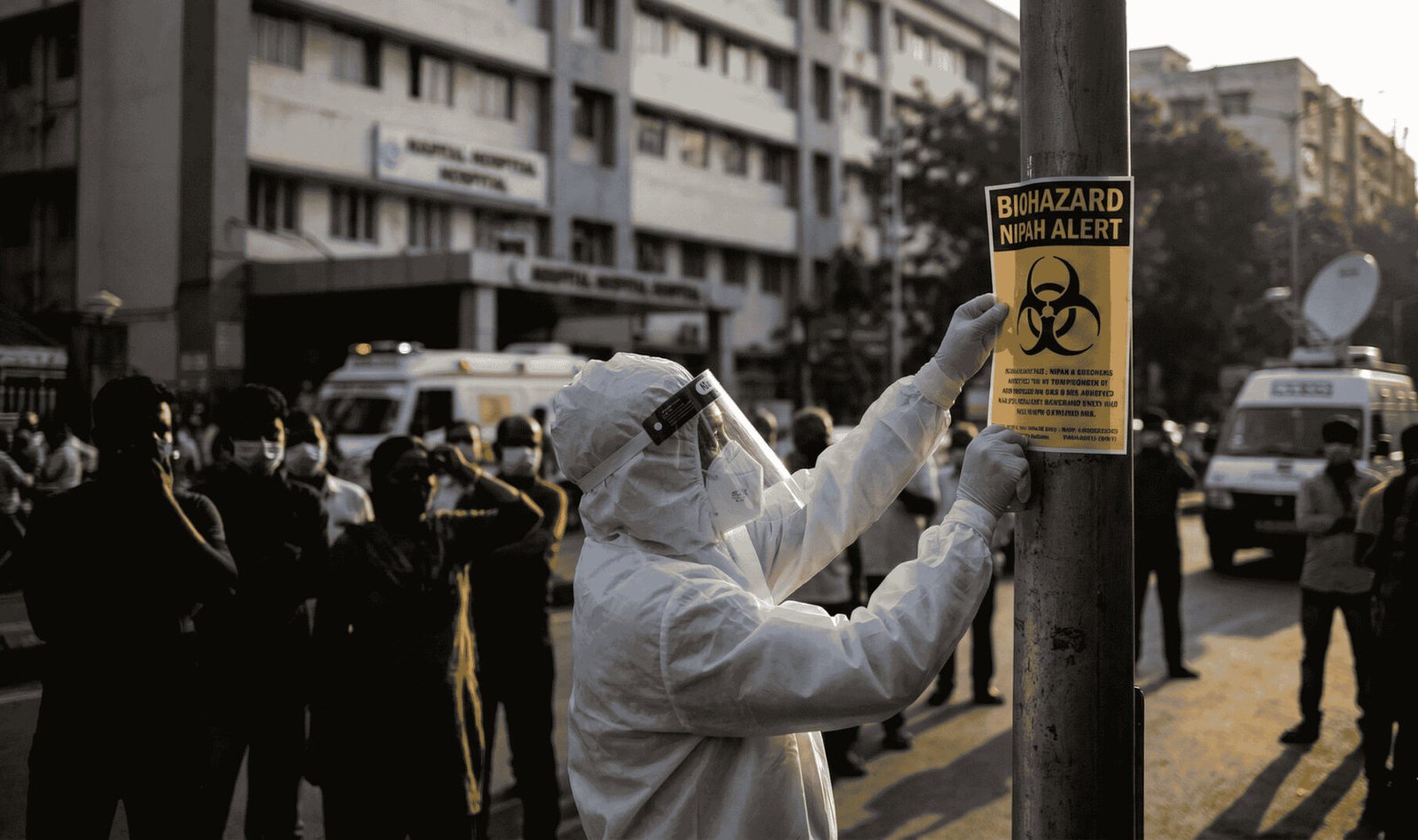
That’s exactly what happened after reports linked to a suspected Nipah-like incident around Kolkata, instantly reviving memories of India’s deadliest outbreaks and Kerala’s repeated battles with the virus. But here’s the real story: Nipah is serious, rare, and deadly—but it is not a “new pandemic wave” sweeping India right now. The risk is real, but so is the misinformation.
Using guidance from the World Health Organization (WHO) and scientific analysis from recent medical literature, here’s a clear breakdown of what’s happening, why it matters, and what people should do—without fear-mongering, but with full honesty.
Table of Contents
What Nipah Virus Is—and Why It Terrifies Health Systems
Nipah virus (NiV) is a zoonotic virus—meaning it can jump from animals to humans—and once it infects people, it can also spread person-to-person in some situations. It belongs to the Henipavirus genus and is considered a high-threat pathogen because outbreaks can have high fatality rates and require strict containment.
The biggest reason Nipah sparks alarm is the combination of:
- High case fatality risk (often severe, depending on outbreak and healthcare response)
- Severe complications, including encephalitis (brain inflammation)
- Potential hospital-linked spread when infection control slips
Kolkata Mentioned in Nipah Reports: What That Usually Means
The Kolkata-linked coverage has reignited national worry because West Bengal has history with Nipah (notably older outbreaks in the region), and any suspected case triggers public health alerts quickly.
But an important point often gets buried:
A suspected case or investigation does not automatically equal confirmed outbreak spread.
When health authorities flag Nipah as a possibility, it typically means:
- A patient had symptoms that could match Nipah-like encephalitis or severe fever
- Labs are involved to rule out or confirm
- Contact tracing and precautions start immediately because the virus is high-risk
This approach is normal—and a sign the system is cautious, not that disaster is guaranteed.
Kerala Is Still the Main Nipah Hotspot in India
If you want the clearest “where is Nipah actually recurring?” answer, WHO’s disease outbreak updates point mainly to Kerala in recent years.
WHO notes that, as of July 2025, multiple outbreaks have been reported in Kerala over time, and these repeated spillovers show an ongoing localized risk there—while the broader regional/national risk is assessed as low.
That’s why any suspected signals in other places (including near Kolkata) instantly become headline material: the fear is that Nipah could establish new hotspots. But the evidence so far keeps pointing back to Kerala as the main modern recurrence zone.
How Nipah Spreads: The “Hidden” Route Most People Ignore
Nipah’s natural reservoir is widely linked to fruit bats (often Pteropus species). Humans can get infected through:
- Food contaminated by bats (classic example: raw date palm sap in some outbreaks)
- Close contact with infected animals (like pigs in the Malaysian outbreak history)
- Person-to-person spread, including through bodily fluids and respiratory droplets—especially in healthcare settings without strong PPE and infection control
This is where public fear often turns into the wrong behavior. People start panicking about “airborne city spread,” while the more realistic prevention focus is:
- avoiding risky food exposures (like raw/unclean items that bats may contaminate)
- strengthening hospital infection control
- rapid isolation and contact monitoring when a suspected case appears
Symptoms: When It’s “Just Fever” vs When It’s an Emergency
Nipah infection can look ordinary at first—then turn severe. Reported early symptoms include fever, headache, sore throat, vomiting, and cough, and it can progress to neurological signs like confusion, seizures, and coma linked to encephalitis.
Seek urgent care if someone has:
- High fever plus confusion, seizures, extreme drowsiness, fainting
- Severe breathing difficulty
- Rapid decline after a viral-like illness
(Especially if there was contact with a suspected/confirmed case or exposure under investigation)
Why Hospitals Become the Battlefield
One of the harsh lessons highlighted in scientific reviews: Nipah can spread in healthcare settings if infection control fails. Past Indian outbreaks have shown significant nosocomial (hospital-acquired) transmission risks, which is why PPE, isolation, and strict protocols matter so much.
This is also why authorities respond aggressively even to suspected cases—because the cost of being late is far higher than the cost of being cautious.
Is There a Cure or Vaccine?
According to the scientific editorial analysis, management is largely supportive, and outbreak response relies heavily on:
- quick detection
- isolation
- contact tracing
- infection control practices
Some antiviral or therapeutic options have been discussed in clinical contexts, but the key life-saving factor remains fast containment and care.
What WHO Says About Travel Restrictions
During the documented Kerala outbreak experience, WHO has emphasized that it generally does not recommend travel or trade restrictions related to Nipah outbreaks, focusing instead on surveillance and response.
So if your social media feed is screaming “Don’t travel to India / Don’t travel to Kerala,” that’s usually not aligned with WHO’s stance for controlled outbreaks.
The Real Risk: High Impact, Low Probability (For Most People)
Nipah is not something most people in India will ever encounter directly. But it is also not something to dismiss.
WHO’s assessment (July 2025 update) indicates the risk to the broader population remains low, but repeated spillovers in Kerala and evidence of bat exposure in other states means preparedness matters.
That’s the balance: don’t panic, but don’t ignore.
What You Should Do Right Now (No Drama, Just Smart)
For the public:
- Don’t forward unverified “confirmed Nipah” messages.
- Avoid consuming raw/unclean foods that could be contaminated (especially in areas under investigation).
- Practice hygiene: handwashing, avoiding contact with bodily fluids of sick people.
For caregivers/health workers:
- Treat suspected encephalitis/respiratory clusters seriously.
- Use PPE and follow isolation protocols fast.
- Support contact tracing—this is how outbreaks stop.
Bottom Line: Kolkata Headlines Raise Alarm—But Facts Still Rule
Nipah’s name alone can trigger nationwide fear, and Kolkata-linked reports add extra heat because of regional history. But the bigger truth is that India’s modern Nipah recurrence pattern still centers on Kerala, and WHO continues to frame the broader risk as low—while urging strong surveillance and readiness.
If there’s one takeaway for readers:
Be alert, not afraid. Nipah outbreaks are controlled by discipline, not panic.