In recent years, stories about superbugs, antibiotic resistance, and climate-related health threats have become all too common. Yet one risk has been quietly escalating beneath the radar — literally. Scientists are now sounding the alarm about a group of microscopic organisms that may pose a growing global health threat. These are free-living amoebae — tiny, single-celled organisms found in soil and water that most of us never think about. But in the wrong circumstances, some species can cause severe, even fatal disease.
In this article, we’ll explore what free-living amoebae are, why they’re becoming more dangerous, how they evade current water safety systems, and what scientists believe must be done to protect public health. Whether you’re a health professional, parent, swimmer, or concerned global citizen, this is an important story with real-world implications.
Table of Contents
1. What Are Free-Living Amoebae?
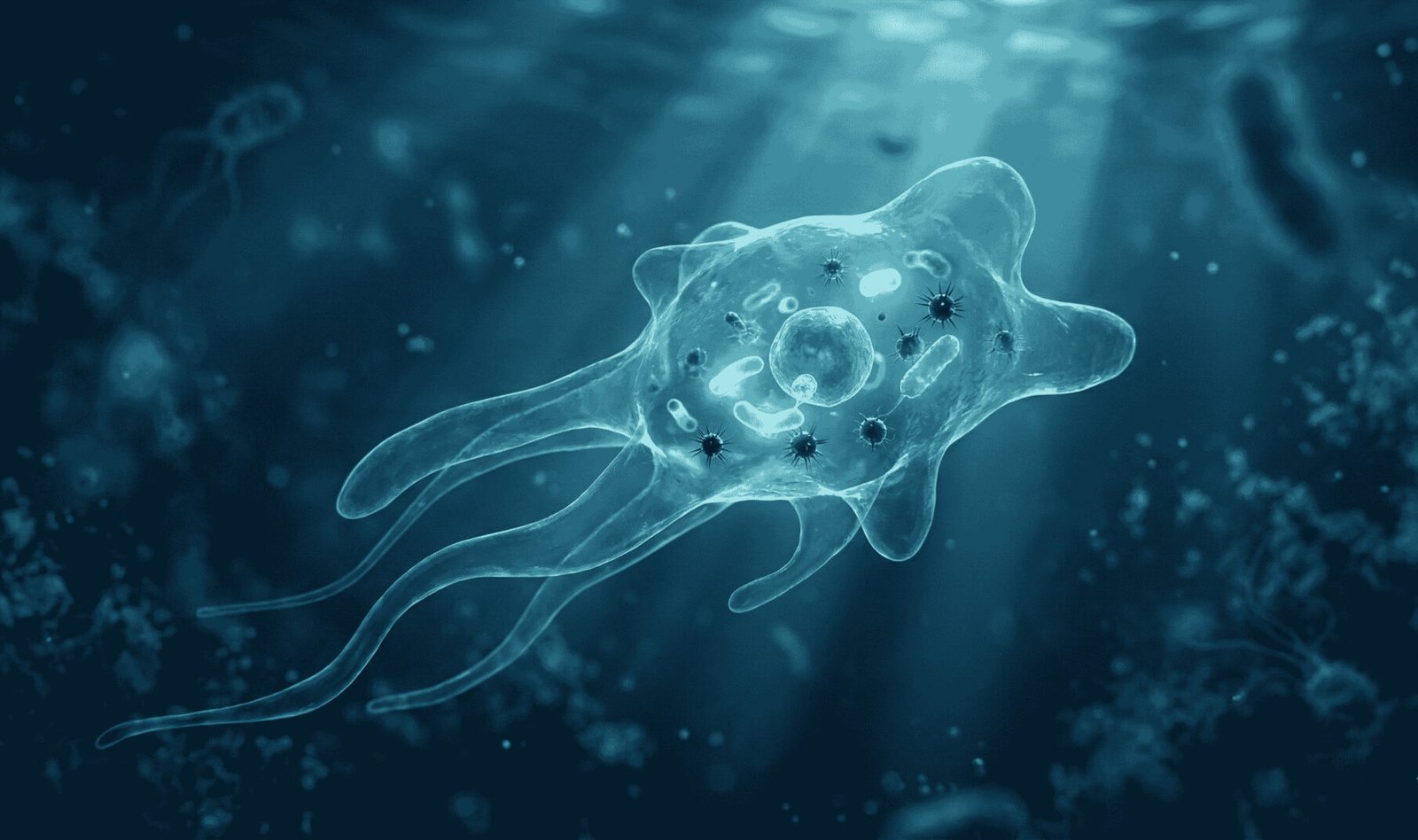
Amoebae are simple, single-celled organisms that live in water and soil. Most of them are harmless and play normal roles in ecosystems. But certain species are pathogenic — meaning they can cause disease in humans and animals. The most notorious example is Naegleria fowleri, often called the “brain-eating amoeba,” which can cause a fatal brain infection when contaminated water enters the nose.
These organisms are ancient — they evolved long before humans — and have incredibly resilient survival strategies. They don’t need a host to live (hence “free-living”), and they’re found in natural water bodies, treated water, soils, and even in engineered environments like water distribution systems.
2. A Rising Threat — Why Now?
So why are scientists suddenly warning about amoebae? The answer involves a combination of environmental change, aging infrastructure, and scientific blind spots.
Climate Change Is Helping Them Spread
As global temperatures rise, heat-loving microbes — including dangerous amoebae — are expanding beyond their traditional habitats. Regions previously too cool for certain species are becoming suitable environments for their survival. In other words, climate change isn’t just reshaping landscapes and weather patterns — it’s literally changing the distribution of microscopic life.
This means that people in many parts of the world, including those with advanced water systems, now face potential exposure where they didn’t before.
Water Systems Aren’t As Safe As We Think
One of the frightening aspects of free-living amoebae is their ability to survive conditions that kill many other microbes.
- High temperatures — far above what would normally eliminate pathogens.
- Strong disinfectants — including chlorine used in many municipal water systems.
- Modern distribution systems — where they can live even after treatment.
In fact, some amoebae can inhabit water distribution systems — the very networks we assume are safe and clean — and make themselves at home in places like cooling towers, pipes, and even storage tanks.
The “Trojan Horse” Effect
What troubles scientists most isn’t just the amoebae themselves — it’s their ability to host other pathogens inside them. This so-called Trojan horse effect allows dangerous bacteria and viruses to hide inside amoebae and evade water-disinfection processes. Once “inside,” these pathogens can persist and spread more easily, potentially increasing their ability to cause outbreaks.
This mechanism also complicates efforts to kill disease-causing microbes using standard treatment methods. When a harmful microbe hides inside an amoeba, it’s shielded from disinfectants and may spread beyond the reach of traditional water-quality safeguards.
3. Real-World Consequences: From Pools to Pipes
Amoebae themselves don’t always make headlines — until they cause something devastating, like a rare brain infection. But researchers point to increasing instances of outbreaks linked to recreational water exposure in multiple countries, particularly in warmer climates where people swim and play in lakes, rivers, and even poorly maintained pools.
Here are the key ways these organisms can impact human health:
• Brain Infection from Naegleria fowleri
This is the most extreme example. When water contaminated with Naegleria fowleri enters a person’s nose — such as during swimming — the amoeba can travel up the olfactory nerve into the brain, causing a deadly infection called primary amoebic meningoencephalitis (PAM). While rare, PAM is almost always fatal.
• Other Opportunistic Diseases
Some free-living amoebae can cause skin, eye, sinus, and respiratory infections — especially in people with compromised immune systems or existing health conditions. These infections can be difficult to diagnose and treat because they’re uncommon and often mistaken for more typical conditions.
• Passing Dangerous Microbes Through Water Systems
Because amoebae can shield harmful bacteria and viruses, they may contribute to outbreaks of diseases that would otherwise have been contained. This is especially concerning for regions with aging water infrastructure, limited monitoring, or insufficient water treatment capabilities.
4. Why Current Water Safety Measures Fall Short
Public water systems rely on established standards — filtration, chlorination, and monitoring for specific bacterial indicators — to ensure safety. But these methods were developed with common waterborne pathogens in mind, not hardy organisms like free-living amoebae and the pathogens they shelter.
Disinfectants Have Limits
Chlorine and other disinfectants are effective against many microbes, but amoebae like Naegleria and others can resist these chemicals. Some can even tolerate temperature ranges and conditions that would eliminate other pathogens.
Lack of Targeted Surveillance
Most water quality monitoring focuses on known bacterial contaminants like E. coli or coliform counts — not amoebae. This means that dangerous organisms could be present without being detected until infections occur.
Biofilms and Hidden Niches
Amoebae thrive within biofilms — slimy layers of microorganisms that adhere to surfaces like pipes and storage tanks. These biofilms can protect amoebae from disinfectants and allow them to act as reservoirs for other pathogens. Once inside a biofilm, organisms are much harder to eradicate using standard treatment.
5. Scientists’ Call to Action: A One Health Approach
To confront this emerging threat, researchers argue that we need a coordinated One Health strategy — one that recognizes the interconnectedness of human health, environmental health, and ecosystem dynamics.
What a One Health Strategy Involves
A One Health approach doesn’t just treat infections after they occur. It aims to prevent exposure and transmission at the source. Here’s how:
• Better Surveillance and Detection
Current water monitoring protocols need to evolve to include targeted tests for free-living amoebae and the pathogens they can harbor. This means developing faster, more accurate diagnostic tools that go beyond traditional bacterial indicators.
• Advanced Water Treatment Technologies
Water management systems should adopt technologies that can eliminate or neutralize amoebae and biofilms — not just bacteria. This could involve novel filtration systems, UV treatment, or advanced oxidation processes that target resistant microbes.
• Cross-Sector Collaboration
Addressing this threat requires health professionals, environmental scientists, water engineers, policymakers, and community leaders to work together. From updating safety regulations to public education campaigns, coordination is key.
6. What This Means for You and Your Community
You might be wondering: “Should I be worried right now?” The short answer: awareness is important, but panic isn’t helpful. Here’s how you can stay informed and take practical steps to protect yourself and your family:
• Mind Your Water Source
If you swim in natural bodies of water, especially warm lakes or rivers, be cautious about getting water up your nose. Avoid forcefully inhaling water during recreational activities.
• Stay Informed About Local Water Quality
Check your municipal water utility’s reports and alerts. While current testing may not catch amoebae specifically, utilities will notify consumers about general advisories, boil orders, or infrastructure issues.
• Advocate for Better Water Safety
Engage with local leaders and water authorities to support updated monitoring and treatment standards. Public demand can be a powerful driver of infrastructure investment and policy change.
• Take Personal Water Safety Seriously
For home use, simple water filters that target a broad range of microorganisms, and avoiding nasal exposure to untreated water, are common-sense precautions.
7. The Bigger Picture — Microbes, Climate Change, and Our Future
The story of free-living amoebae is not just about one group of organisms. It reflects a broader theme:
Climate change and environmental disruption are shifting the balance of microbial ecology — and humans are part of that equation.
As temperatures rise and infrastructure ages, microbes that were once confined to remote environments are migrating into places where people live, work, and play. Some thrive in conditions we mistakenly assumed were safe, challenging long-standing public health assumptions.
This moment calls for innovation, vigilance, and global cooperation — not fear, but informed action.
8. Final Thoughts: Turning the Tide Before It’s Too Late
Dangerous free-living amoebae are tiny, but the implications of their spread are enormous. Scientists are urging governments, health agencies, water utilities, and citizens to rethink how we monitor and protect water resources in a warming world.
This is a challenge that blends environmental science, public health, engineering, and community engagement. It won’t be solved overnight, but recognizing the problem is the first step toward meaningful solutions.
As researchers continue to uncover the hidden lives of microorganisms in our environment, one thing is clear: the unseen world beneath our feet and inside our water systems matters more than ever. And understanding it better could be one of the most important public health priorities of our time.