
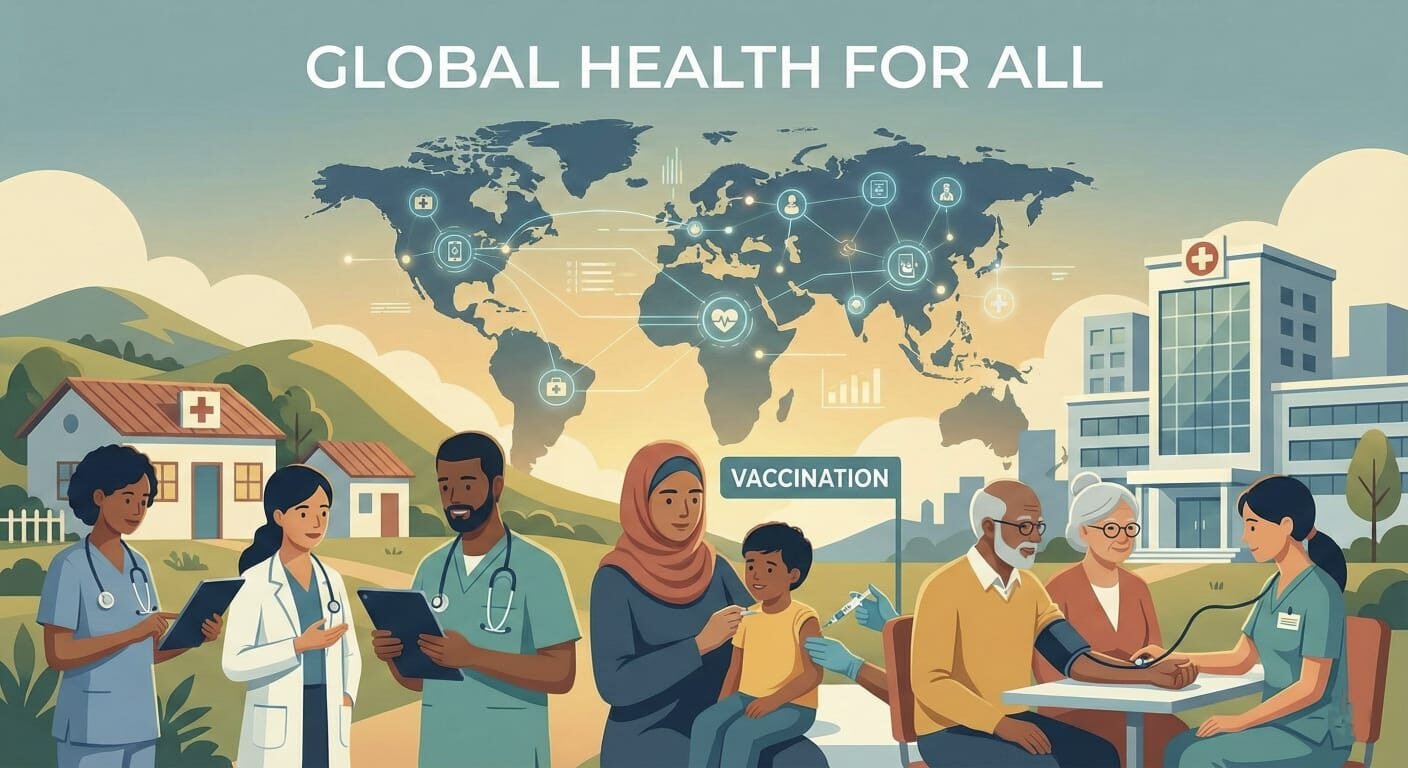
For more than two decades, the world has been working toward an ambitious promise: Universal Health Coverage (UHC) — a future where everyone can receive essential healthcare without falling into financial trouble. A new report from the World Health Organization (WHO) and the World Bank Group shows that while many countries have made meaningful progress, the world is still far from turning this promise into reality.
The UHC Global Monitoring Report 2025 gives us a mixed picture: solid improvements in access to healthcare, but also growing inequality and far too many families pushed into poverty because of medical costs.
More People Than Ever Are Accessing Essential Health Services
One of the big positives from the report is the rise in health service coverage. The Service Coverage Index (SCI) — which measures how well countries are providing essential services like vaccinations, maternal care, and disease treatment — jumped from 54 in 2000 to 71 in 2023.This growth has been especially strong in:
- Infectious disease control
- Vaccination programs
- HIV and tuberculosis treatment
- Basic primary healthcare
Noncommunicable diseases (NCDs), such as diabetes and heart disease, are also seeing better detection and treatment rates. However, progress in areas like maternal health, newborn care, and child health has slowed in many countries, showing where health systems need renewed attention.
Financial Pressure From Healthcare Is Easing — But Slowly

Another encouraging sign is that fewer people are experiencing serious financial difficulty because of healthcare. In 2000, 34% of people faced financial hardship from out-of-pocket medical expenses. By 2022, that number had dropped to 26%.
Still, the burden remains extremely heavy:
- 2.1 billion people are struggling financially due to medical costs.
- 1.6 billion people are being pushed into poverty — or deeper into poverty — because of healthcare expenses.
The biggest culprit? The cost of medicines.
In most countries, medicines account for over 55% of out-of-pocket health spending. Among the poorest families, the number is even higher, with households spending about 60% of their healthcare budget on medicines alone.
For many families, this means having to make impossible choices — paying for life-saving drugs or paying for food, school fees, and other essentials.
4.6 Billion People Still Don’t Have Access to Basic Health Services
Despite progress, the numbers are still heartbreaking. The report estimates that:
- 4.6 billion people worldwide do not have access to one or more essential health services.
This includes services like pregnancy care, treatment for chronic diseases, safe drinking water, and mental health support.
Dr. Tedros Adhanom Ghebreyesus, Director-General of the WHO, expressed deep concern:
“Universal health coverage is a basic human right. But for billions of people, this right is still out of reach. Countries must invest more in their health systems to protect their people and strengthen their economies.”
The world is facing challenges such as shrinking international aid, economic instability, and increased healthcare demands — all of which slow down progress.
Low-Income Countries Are Improving Fastest — But Still Have the Biggest Gaps
Interestingly, low-income countries have seen the most rapid improvements in both coverage and financial protection. Many of these nations have strengthened their healthcare systems through:
- Better sanitation
- Social protection programs
- Economic growth
- Expanded community health services
But despite these achievements, low-income countries:
- Still have the lowest overall service coverage
- Face the highest financial burden
- Have the widest health inequalities
Regions such as Africa, South-East Asia, and the Western Pacific are showing promising trends, but the pace of progress is far from what is needed to reach UHC by 2030.
Inequalities in Healthcare Are Becoming More Visible — and More Severe
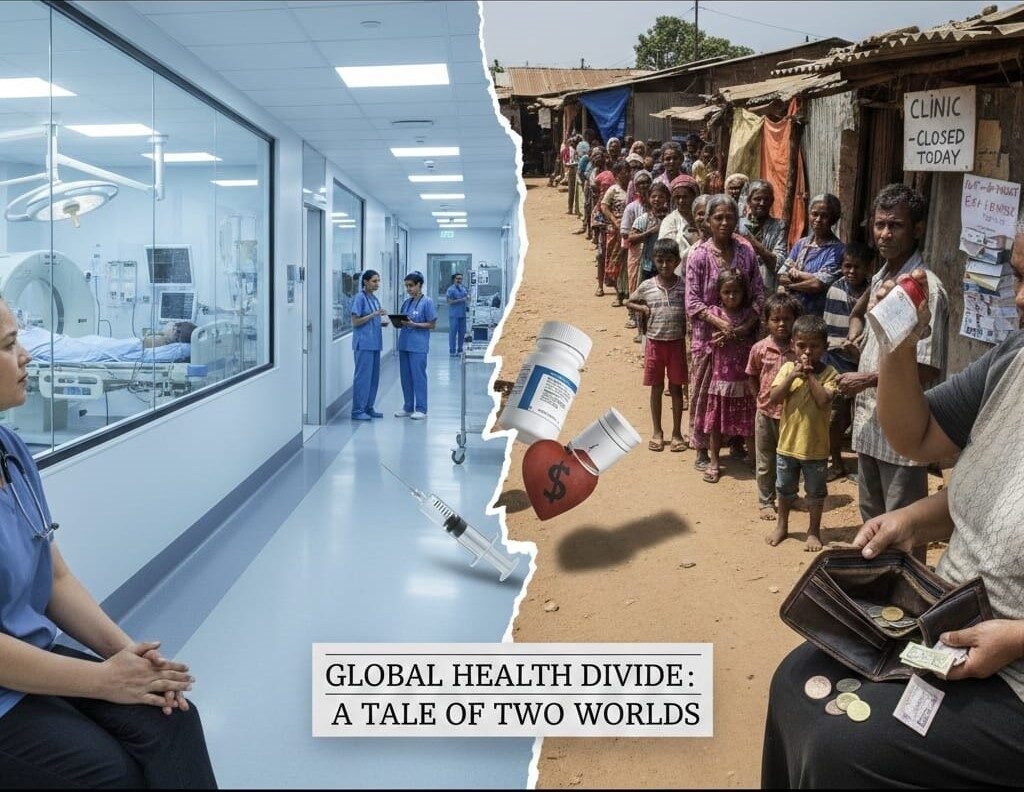
The report makes one thing very clear: health inequalities are growing, not shrinking.
Here’s what the data shows:
- Three out of four people in the poorest groups face financial hardship due to healthcare.
- Among the richest groups, this number is less than 1 in 25.
Women, rural communities, people with disabilities, and those with lower education levels all report more difficulties in accessing healthcare. Even countries that generally perform well — such as those in Europe — still see higher unmet health needs among the most vulnerable.
The report also warns that the true scale of inequality may be underreported, because some groups — such as refugees, displaced populations, and people living in informal settlements — are often missing from official surveys.
World Not On Track For UHC 2030 — Major Changes Needed
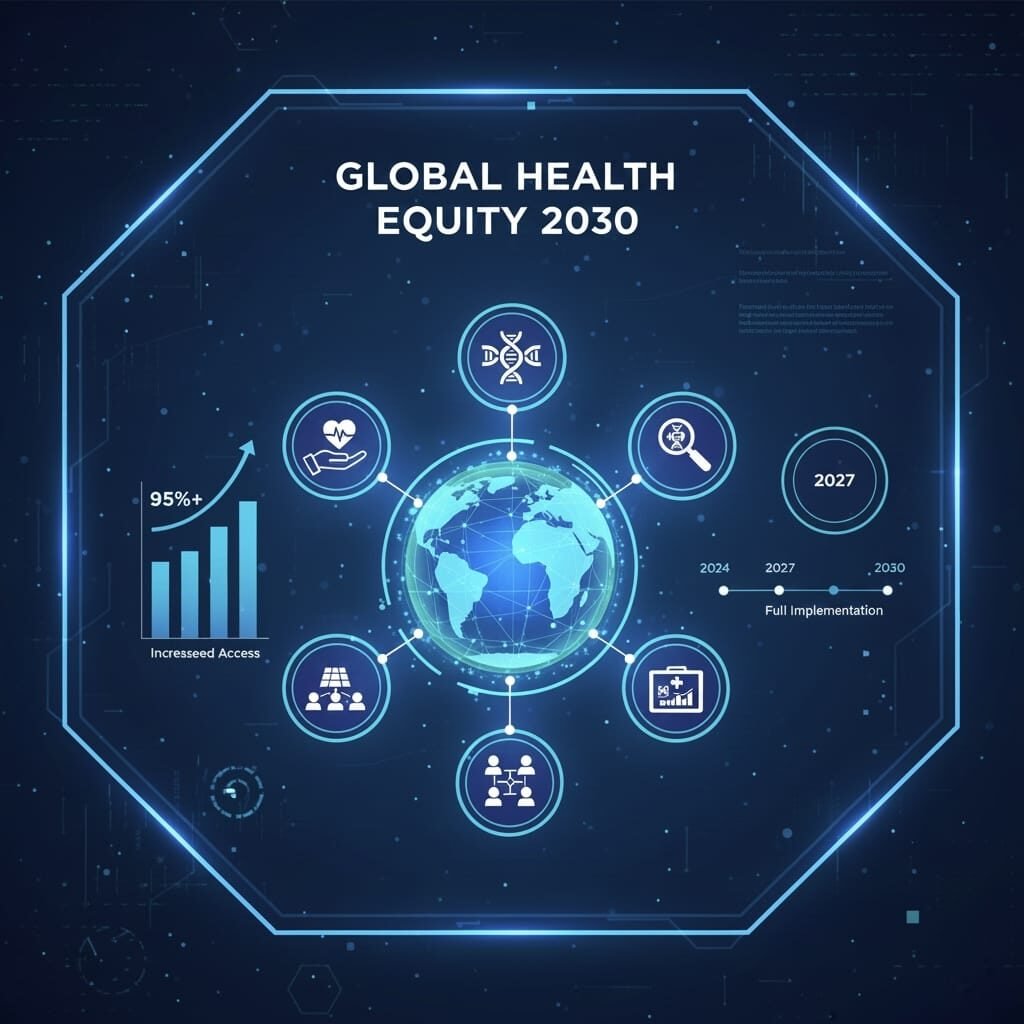
With less than five years left before the 2030 deadline, the report delivers a serious warning: the world is not on track to achieve universal health coverage.
If current trends continue:
- The global SCI will reach only 74 out of 100 by 2030.
- 1 in 4 people will still face financial hardship due to healthcare costs.
To change this trajectory, WHO and the World Bank are calling for urgent action in these six areas:
- Make essential healthcare free for poor and vulnerable groups
This includes services like vaccinations, basic medicine, maternity care, and chronic disease treatment.
- Increase public investment in health systems
Strong health systems require trained staff, modern facilities, and reliable supply chains.
- Reduce the cost of medicines
Affordable medicines are crucial for financial protection.
- Improve access to NCD services
Diseases like heart disease, cancer, and diabetes are rising worldwide and require early, continuous care.
- Strengthen primary healthcare
Primary care is the first line of defense and the core of every strong health system.
- Collaborate beyond the health sector
Education, sanitation, environment, and social policy all influence people’s health outcomes.
Global Leaders Gather in Tokyo to Discuss the Future of UHC
The report was officially launched at the UHC High-Level Forum in Tokyo. The event brought together global leaders, policymakers, and experts to discuss solutions for closing the health coverage gap.
The forum also marked the opening of the UHC Knowledge Hub, a new center designed to help countries improve their healthcare financing and policy decisions






1 thought on “Global Health Report 2025: Progress Made, But Billions Still Can’t Access Basic Medical Care”