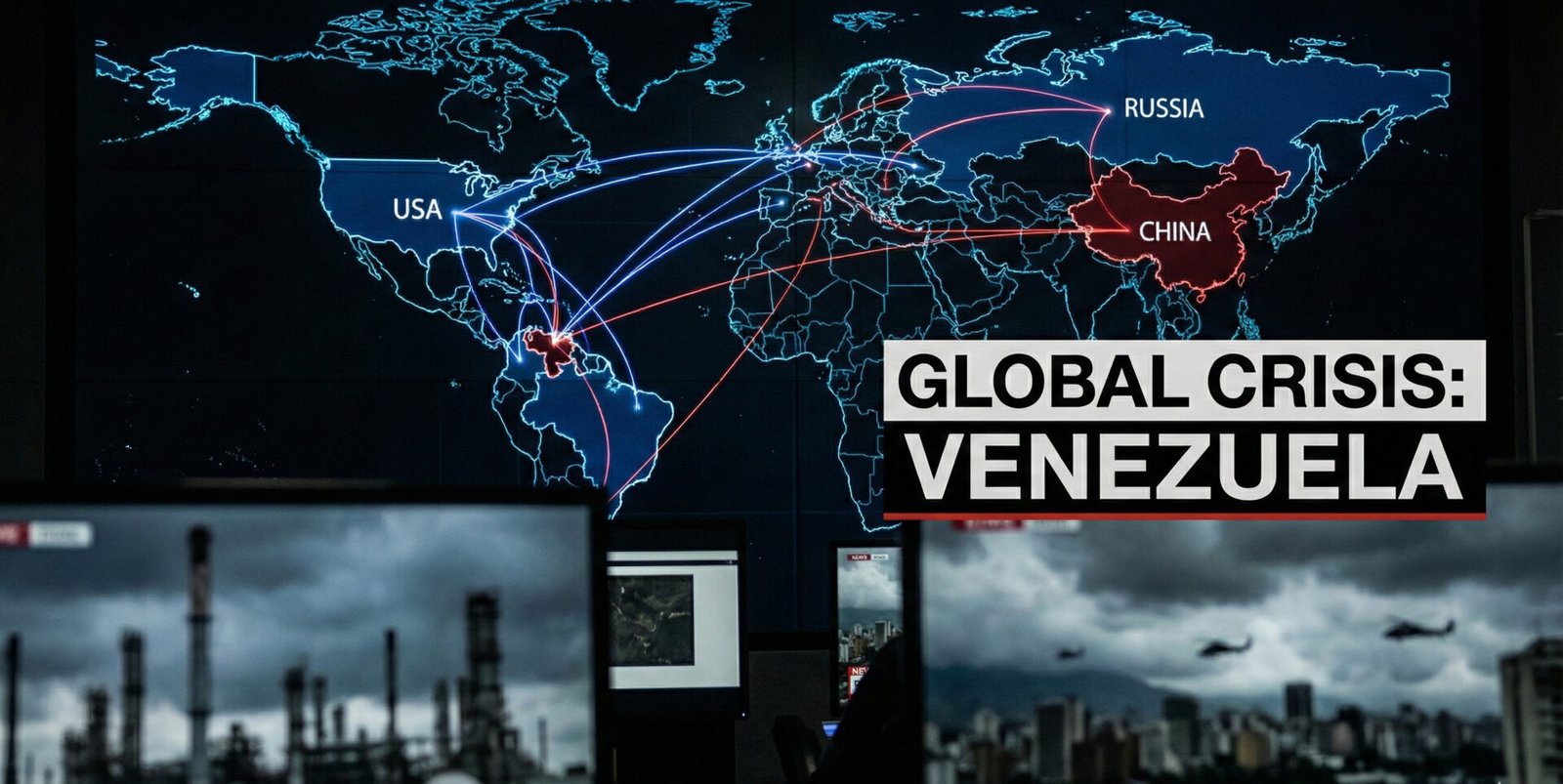
On January 3, 2026, the world awoke to one of the most dramatic developments in modern diplomatic history: the United States launched a military operation in Venezuela that resulted in the reported capture of President Nicolás Maduro and his wife, Cilia Flores. The shockwaves were immediate—spreading across capitals from Washington and Brussels to Beijing and Brasília. What was once a deeply destabilized Latin American nation had suddenly become the epicenter of a global geopolitical crisis with implications far beyond its borders.
This event has instantly rewritten the narrative about Latin America, foreign interventionism, international law, resource geopolitics, and the very nature of global power balances in the 21st century. In this blog, we unpack what happened, why it matters, who reacted, and how this upheaval could shape the world to come.
Table of Contents
What Happened: The Capture of Nicolás Maduro
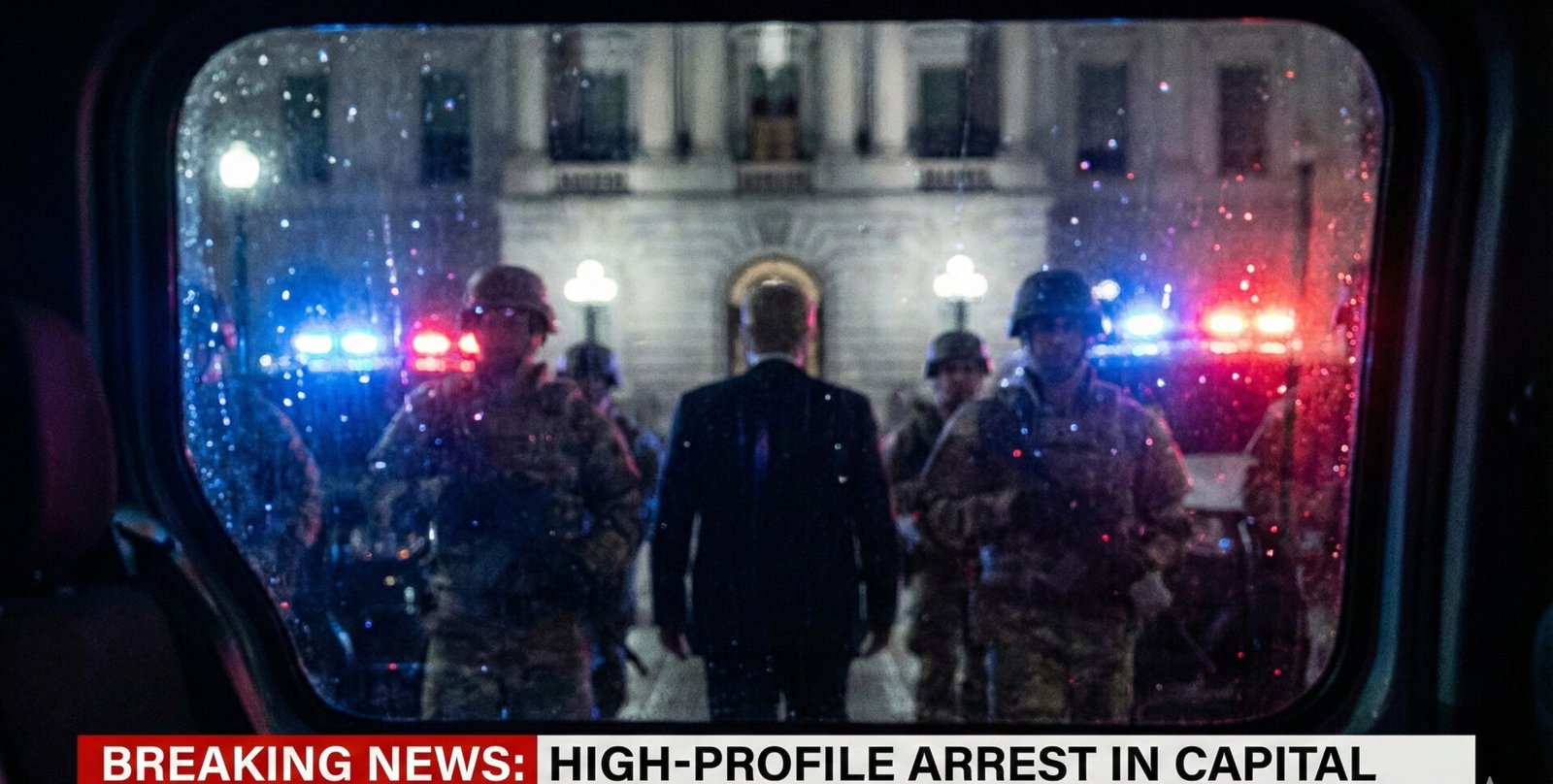
According to multiple news reports, a large-scale U.S. military operation targeted Venezuela’s political leadership and infrastructure, culminating in the capture and subsequent extradition of Nicolás Maduro to the United States. The Trump administration publicly declared that Maduro was captured in coordination with U.S. law enforcement and flown to U.S. custody, where he will face charges including narco-terrorism and drug trafficking.
President Trump described the mission as a strategic necessity, claiming it was carried out to protect U.S. national security interests, enforce justice, and mitigate transnational criminal activities. He went further, asserting that the United States would “run” Venezuela temporarily until a stable and lawful political transition could take place. This type of operation—directly apprehending a sitting head of state on foreign soil—is virtually unprecedented in the modern geopolitical era and has sent shockwaves through the global system of sovereign relations.
The U.S. Justification: Crime, Security, and Oil
The U.S. government’s public case includes several layers:
Narco-terrorism Charges
The U.S. had indictments on Maduro and key associates for narco-terrorism and drug-related offenses for years before the capture, alleging that the regime’s officials were deeply entangled in international drug trafficking networks. Maduro’s administration has long been accused of facilitating drug flows into the U.S. and Europe.
Security Concerns
The Trump administration characterized Venezuela as both a national security threat and a destabilizing force in the Western Hemisphere—accusing Caracas of harboring and aiding criminal networks, threatening maritime security, and undermining democratic governance in the region.
Oil and Economic Interests
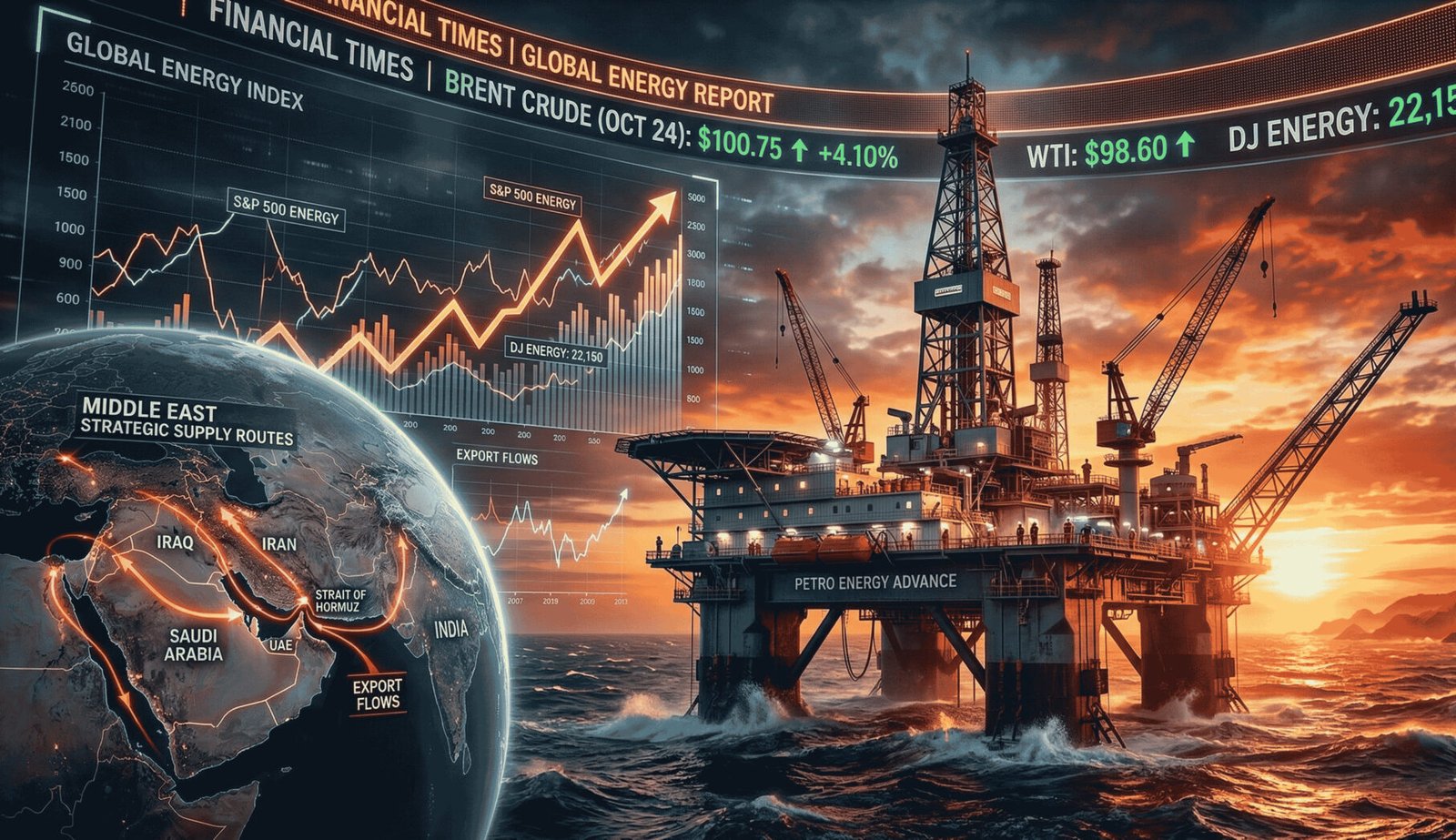
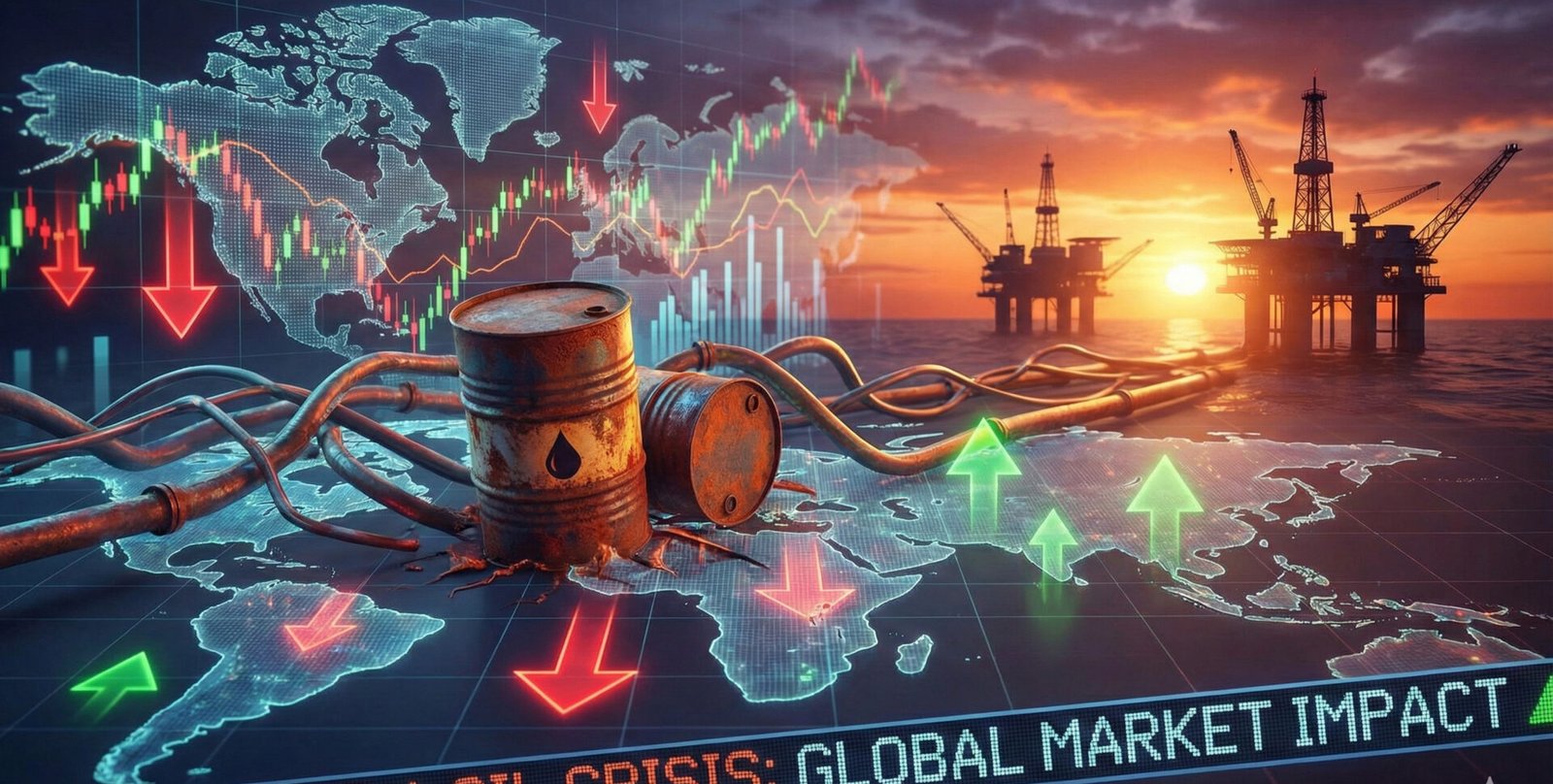
Venezuela holds some of the largest oil reserves in the world. Control over this resource—coupled with its potential influence on global energy markets—adds an economic layer to the crisis. Even if immediate output disruptions remain limited, the perception of instability is already influencing trading behavior and risk assessments.
Taken together, these rationales formed the public justification for military action and extraordinary intervention.
Immediate Domestic Fallout in Venezuela
Within Venezuela, reactions were quick and chaotic:
Political Uncertainty
The Venezuelan Supreme Court and other state institutions have attempted to fill the power vacuum. Maduro’s vice president, Delcy Rodríguez, has claimed interim leadership based on constitutional succession protocols. This move has been welcomed by Maduro loyalists but rejected by opposition forces and many foreign governments.
Meanwhile, certain senior regime figures appear to remain at large, complicating an already volatile political landscape.
Humanitarian Risks
Explosions in Caracas, power disruptions, and fear among civilians highlight the real human cost of this intervention. Venezuela’s already strained public services and emergency response systems now face further pressure.
A prolonged power vacuum could exacerbate mass displacement and force more Venezuelans to flee across borders, especially into neighboring Colombia and Brazil.
Global Reactions: Allies, Critics, and Divides
The international response has been swift and polarized, illuminating deep geopolitical fault lines.
Regional Leaders Condemn the Action
Latin American governments such as Brazil and Mexico have harshly criticized the U.S. operation, calling it a violation of sovereignty and a dangerous precedent for external military intervention. Brazilian President Lula da Silva described it as crossing an “unacceptable line,” urging global institutions to condemn the act.
European and UN Responses
European diplomatic voices have expressed concern, emphasizing respect for international law and calling for a political solution to the crisis. Germany, for instance, stressed the need to uphold legal norms and prioritize peaceful dialogue.
Russia, China, and Iran Outrage
Major geopolitical rivals of the U.S. have condemned the operation. China, a long-standing ally of Maduro’s Venezuela and a significant economic partner, branded the strikes a blatant violation of international law and a threat to Latin American stability.
Russia echoed similar denunciations, insisting that no external power has the right to unilaterally depose a sovereign government.
Domestic U.S. Dissent
Even within the United States, figures from both major political parties criticized the move, labeling it illegal, unwise, or strategically misguided. Voices like Vice President Kamala Harris publicly warned that the move could destabilize the region and undermine international norms.

Geopolitical Implications: A New World Order Challenge
Maduro’s capture isn’t just a Latin American story — it has global ramifications.
U.S. Hegemony in the Americas
By invoking an updated interpretation of the Monroe Doctrine—coined by pundits as the “Donroe Doctrine”—the United States is signaling a renewed claim to hemispheric primacy. This interpretation reasserts U.S. willingness to intervene militarily in its own backyard against perceived threats or criminal regimes.
Critics argue this undermines the post-World War II international order rooted in sovereign equality and non-intervention.
Shifting Alliances and Rivalries
Countries aligned with China, Russia, or Iran may deepen their cooperation in response. This could fuel a new era of competition reminiscent of the Cold War, where global influence is contested not only economically, but strategically and militarily.
International Law and Sovereignty
By capturing a sitting head of state and removing him from power without international authorization, the U.S. has challenged existing norms surrounding diplomatic immunity and state sovereignty. Many international jurists are now debating whether this sets a precedent that could justify future extrajudicial interventions.
Economic and Market Impact
Even before the full geopolitical picture settles, markets have begun reacting:
Oil Prices and Risk Premiums
While some analysts believe the immediate impact on oil supply may be limited due to existing production levels, the uncertainty itself is already causing traders to raise risk premiums. In other words, fear and unpredictability are becoming economic factors in pricing markets.
Longer-Term Investment
Global energy companies and investors are watching closely. Any stabilization under a pro-Western transitional government could open Venezuela’s vast reserves to external investment, but achieving such stability is far from guaranteed.
Stock indexes, emerging market ETFs, and energy sector equities could see volatility in the weeks and months ahead as geopolitical risk recalibrates.
Human Stories: Beyond Politics and Power
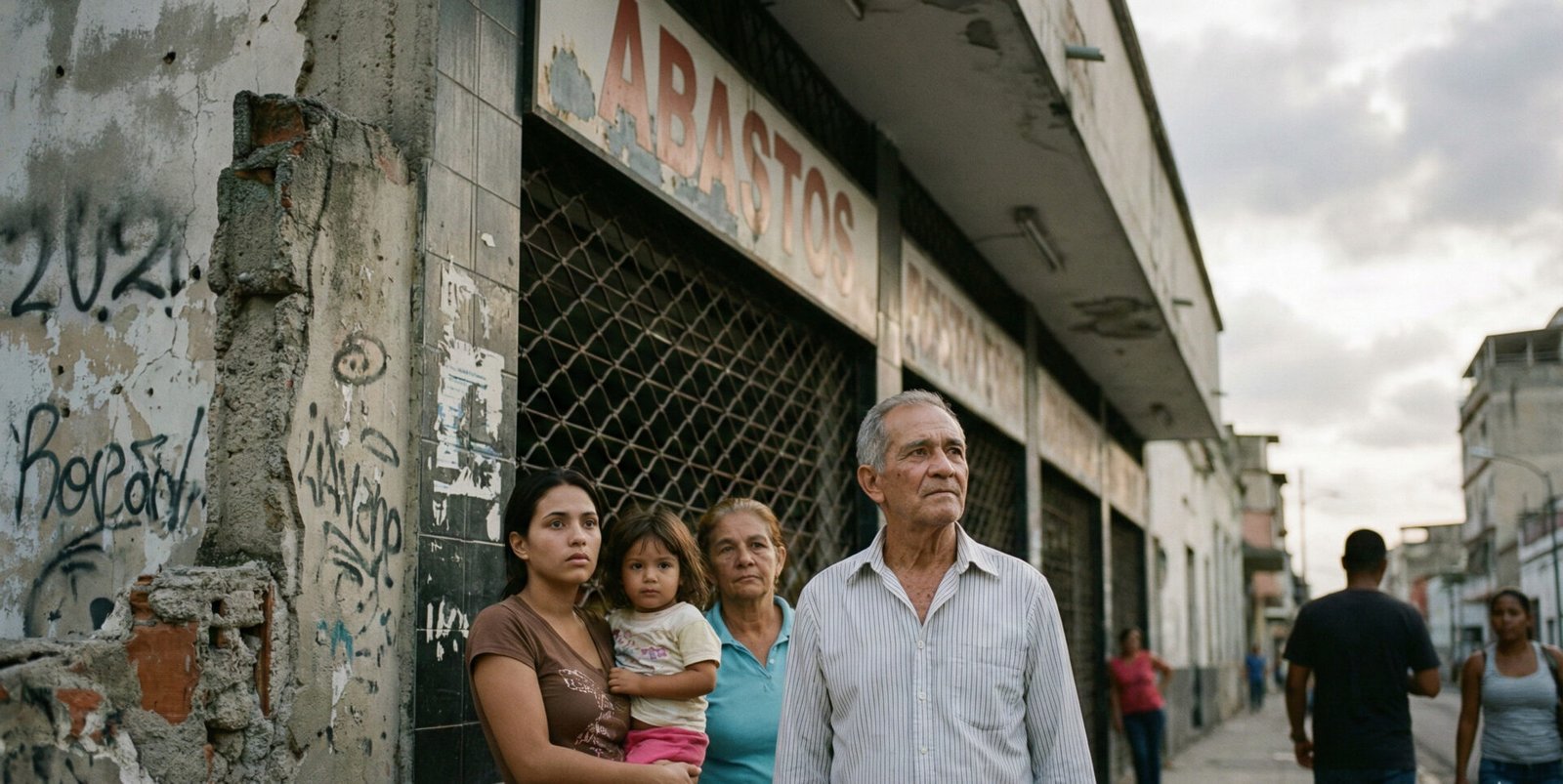
Behind the strategic chessboard and diplomatic rhetoric lie the lived experiences of Venezuelan people—millions who have endured years of economic collapse, humanitarian hardship, mass migration, and daily insecurity.
Families torn apart by migration, small business owners struggling to survive, children without reliable access to electricity or safe schools — these human stories remind us that geopolitical dramas have real human costs far beyond capital cities and foreign ministries.
Any future resolution must account for these realities and prioritize rebuilding both the economy and civil society in Venezuela.
What Happens Next: Scenarios for the Future
1. Transitional Government and Peace Talks
One hopeful scenario involves a U.S.-backed transitional government, working with international partners and Venezuelan opposition leaders to rebuild democratic institutions.
2. Internal Conflict
Alternatively, loyalist factions within the military or security apparatus could resist foreign control, triggering internal conflict or even civil war.
3. Regional Escalation
If global powers perceive their influence is eroding in the Western Hemisphere, further proxy tensions or even direct confrontations could emerge.
4. International Legal Challenges
Maduro’s capture and transfer to U.S. custody could be challenged in international courts, prompting new legal interpretations about justice, sovereignty, and counter-terrorism.
No matter which path unfolds, the world has crossed into uncharted geopolitical territory.
Conclusion: A Turning Point in Global Politics
The capture of Nicolás Maduro marks one of the most pivotal moments in recent international relations. It challenges assumptions about sovereignty, raises questions about the future role of the United States, and reshapes alliances across continents.
For Venezuela, the road ahead is fraught with uncertainty, but also full of potential—if political will, international cooperation, and respect for human rights can align.
For the world, this moment is a reminder that geopolitics is never static. Power, interest, law, and human lives intersect in unpredictable ways. As the dust of this crisis settles, we will remember this as a defining chapter in how nations choose to wield influence in a fragile global order.