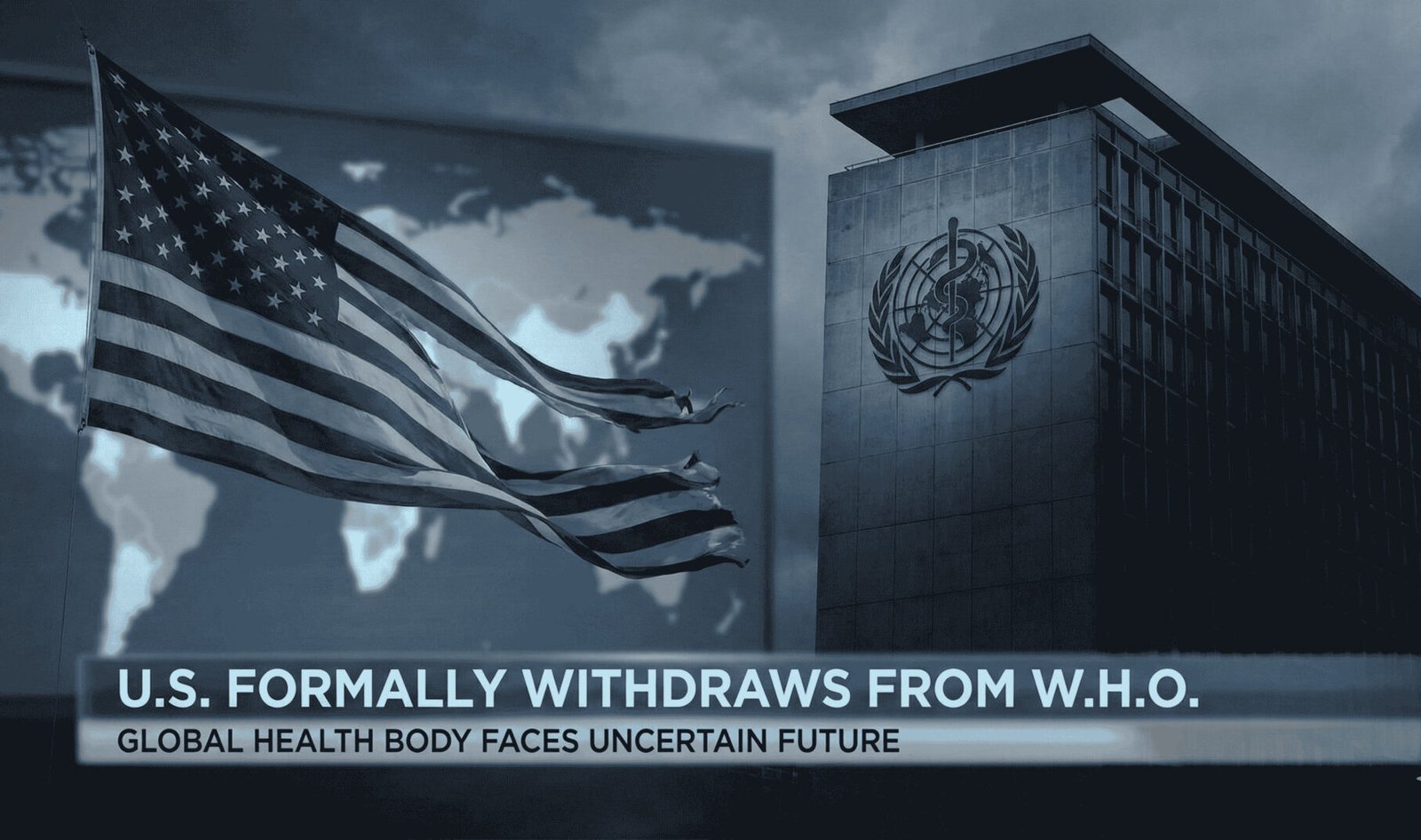
In a development that has put global health authorities on high alert, the World Health Organization (WHO) has confirmed that a new, highly aggressive strain of influenza is currently tearing through Europe. Arriving nearly a month earlier than traditional seasonal patterns, this “early-onset” surge is pushing healthcare systems from London to Berlin to their breaking points.
With cases now being detected in the United States, India, and Southeast Asia, the world is asking: Is this another pandemic, or a “perfect storm” of seasonal evolution? This report breaks down the science of the new A(H3N2) Subclade K strain, the impact on hospitals, and the vital steps you need to take to protect your family this winter.
Table of Contents
1. The Sudden Rise of A(H3N2) Subclade K: A “Drifted” Threat
For decades, the H3N2 subtype of Influenza A has been known as the “harsh” version of the flu, typically associated with higher hospitalization rates among the elderly. However, the 2025-2026 season has introduced a mutation that caught even the most prepared experts off guard.
The Science of “Genetic Drift”
Viruses are constantly changing. The WHO identifies this new strain as Subclade K. This variant has undergone what scientists call “antigenic drift.” Essentially, the virus has changed its “lock-and-key” mechanism on its surface. This means that even if you had the flu last year, or if you received an older vaccine, your immune system may not recognize this new intruder immediately.
Why is it spreading so fast?
According to WHO data, the virus is now accounting for 90% of all confirmed cases in the European region. Its rapid transmission is attributed to:
- Early Arrival: The season began four weeks earlier than the historical average.
- Waning Immunity: Following several years of fluctuating social distancing, natural immunity levels against H3N2 variants have dipped globally.
- The “K” Mutation: This specific subclade appears to have a higher affinity for human respiratory cells, allowing it to take hold faster once a person is exposed.
2. Europe Under Siege: A Healthcare System in Crisis
The headlines coming out of Europe are stark. In at least 27 of the 38 countries in the WHO European region, flu activity is classified as “high” or “very high.”
The United Kingdom: The NHS at a Breaking Point
In the UK, the National Health Service (NHS) is facing what officials call “unprecedented December pressure.” Flu-related hospital admissions have jumped 40% in just seven days. Emergency departments are reporting wait times of over 12 hours in some regions, as the surge coincides with the usual winter peak of other respiratory illnesses.
Spain and Italy: Surpassing Previous Peaks
In Southern Europe, Spain has already surpassed its total infection peak from the 2024 season. Health ministers in Madrid have reinstated mandatory masking in certain clinical settings to prevent hospital staff from becoming overwhelmed.
Germany and France: “The Early Wave”
Germany reports that its flu wave started three weeks ahead of schedule. “We are seeing a vertical climb in the infection curve,” says Dr. Hans Kluge, WHO Regional Director for Europe. “The pressure on primary care physicians is immense.”
3. Global Reach: Impact on the USA and India
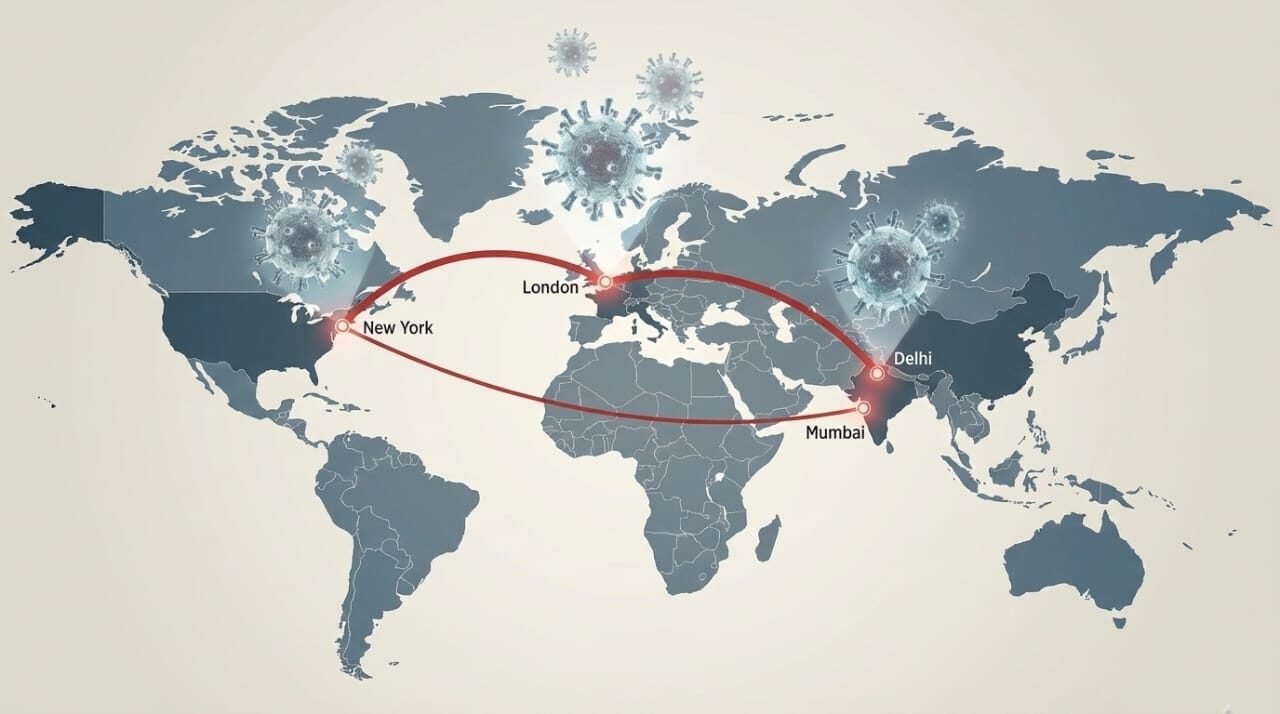
While Europe is currently the epicenter, the A(H3N2) Subclade K strain is a global traveler. Public health officials in the United States and India are monitoring the situation with growing concern.
The United States: Preparation for the “January Spike”
The CDC has already detected the Subclade K strain in several states, including New York, California, and Florida. US health officials are urging Americans to get their updated flu shots before the traditional January peak.
- SEO Tip: If you are searching for “Flu vaccine near me 2025,” ensure the provider is offering the latest quadrivalent formula designed to combat H3N2 variants.
India and Southeast Asia: A Different Climate, the Same Threat
In India, where flu seasons often coincide with the monsoon or the transition to winter, the arrival of a European-dominant strain is troubling. Major metropolitan hubs like Delhi and Mumbai are seeing an uptick in “fever clinics” visits. For India’s massive population, the concern is less about the severity of the virus and more about the sheer volume of patients requiring outpatient care.
4. Symptoms to Watch For: Is it Flu, COVID-19, or a Cold?
Distinguishing between the new flu strain and other respiratory viruses is critical for treatment. Subclade K is characterized by a “sudden onset.”
| Symptom | A(H3N2) Subclade K | Common Cold | COVID-19 (Current Variants) |
| Onset | Abrupt (Within hours) | Gradual | Variable |
| Fever | High (102°F+) | Rare | Common |
| Aches | Severe | Mild | Common |
| Cough | Dry / Persistent | Mild | Variable (Often dry) |
| Fatigue | Extreme (Weeks) | Mild | Common |
Expert Note: The WHO has stated there is currently no evidence that Subclade K is more “lethal” than previous H3N2 strains. However, because it is infecting more people simultaneously, the number of deaths—particularly in vulnerable groups—could rise due to the sheer scale of the outbreak.
5. The Vaccine Question: Does it Still Work?
The most common question being asked today is: “If the virus has mutated, is the flu shot useless?”
The answer from the WHO and the UK Health Security Agency (UKHSA) is a resounding NO. Early data from the 2025 season suggests that the current vaccine remains highly effective at preventing severe disease and death. While “breakthrough” infections (where a vaccinated person still gets a mild case of the flu) are more common with Subclade K, the vaccine trains the immune system to keep the virus out of the lungs, drastically reducing the need for ventilators and ICU care.
Who should get vaccinated immediately?
- Seniors (65+): They remain the most at-risk group for H3N2 complications.
- Pregnant Women: Protection for both mother and the unborn child.
- Healthcare Workers: To prevent “staffing blackouts” in hospitals.
- Young Children: Especially those with underlying asthma or respiratory issues.

6. How to Protect Yourself: Beyond the Vaccine
In addition to vaccination, “humanized” public health measures—the simple things we learned during the pandemic—remain our best defense.
- The “Stay Home” Rule: If you have a fever or a persistent cough, do not go to work. Subclade K is highly contagious in the first 48 hours of symptoms.
- Air Quality Matters: The flu thrives in dry, stagnant winter air. Using a humidifier and ensuring proper ventilation in offices can reduce the half-life of viral droplets.
- Hand Hygiene: It sounds basic, but H3N2 can live on surfaces like doorknobs and elevator buttons for several hours.
- Masking in Crowds: If you are in a high-transmission area (like a London Tube station or a New York Subway), a high-quality N95 or KF94 mask provides an extra layer of security.
7. The Economic and Social Toll
The 2025 flu surge isn’t just a health crisis; it’s an economic one.
- Labor Shortages: With schools and offices seeing 20-30% absenteeism in parts of Europe, supply chains are feeling the pinch.
- Mental Health: The “rebound” of infectious diseases after years of pandemic-related stress is leading to “health anxiety” among many populations.
8. Looking Ahead: Is a “Twin-demic” Likely?
As we move into 2026, the primary concern for global health leaders is the co-circulation of the Subclade K flu and COVID-19. While COVID-19 has become more manageable, the simultaneous peak of both viruses could lead to “bed blocking” in hospitals, where patients cannot be admitted for elective surgeries or heart attacks because the wards are full of respiratory patients.
Conclusion: Awareness is Your Best Defense
The surge of the A(H3N2) Subclade K strain is a reminder that the flu is not “just a cold.” It is a dynamic, evolving biological threat that requires our respect and our preparation.
While the news of overwhelmed hospitals is frightening, we are not helpless. We have the tools—vaccines, antivirals like Tamiflu, and the collective knowledge of public health—to navigate this winter. Stay informed, stay vaccinated, and if you feel the “sudden onset” of aches and fever, seek medical advice early.