For more than a hundred years, fossil fuels have shaped the modern world. From the cars we drive and the planes we fly to the factories that power global economies, petroleum-based fuels have been at the center of human progress. But this progress has come at a heavy cost. Climate change, rising pollution, volatile fuel prices, and geopolitical conflicts linked to oil have made it clear that the fossil fuel era cannot last forever.
In recent years, electric vehicles and renewable energy have taken center stage in the clean energy conversation. However, a quiet revolution is also unfolding in the background — one that could allow us to keep using liquid fuels without relying on crude oil at all. Scientists and innovators have developed a way to produce gasoline-like fuel using air, water, and electricity, completely eliminating the need for petroleum.
This breakthrough represents more than just a scientific achievement. It offers a practical bridge between today’s fossil-fuel-dependent world and a cleaner, more sustainable future. In this in-depth blog, we explore this innovation through four major pillars, while also examining its future outlook, market impact, and relevance for India.
Table of Contents
Why Fossil Fuels Are Becoming Obsolete
Fossil fuels were once considered cheap, abundant, and reliable. Today, they are increasingly seen as risky, expensive, and environmentally destructive.
Environmental Damage and Climate Change
Burning petrol and diesel releases large amounts of carbon dioxide (CO₂), the primary greenhouse gas responsible for global warming. According to climate scientists, transportation alone accounts for nearly one-quarter of global energy-related CO₂ emissions. Rising temperatures have already triggered extreme weather events such as heatwaves, floods, droughts, and cyclones.
Air pollution from fossil fuels also causes severe health issues. Urban areas with heavy traffic suffer from poor air quality, leading to respiratory diseases, heart problems, and reduced life expectancy. These hidden health costs often outweigh the economic benefits of cheap fuel.
Economic and Geopolitical Risks
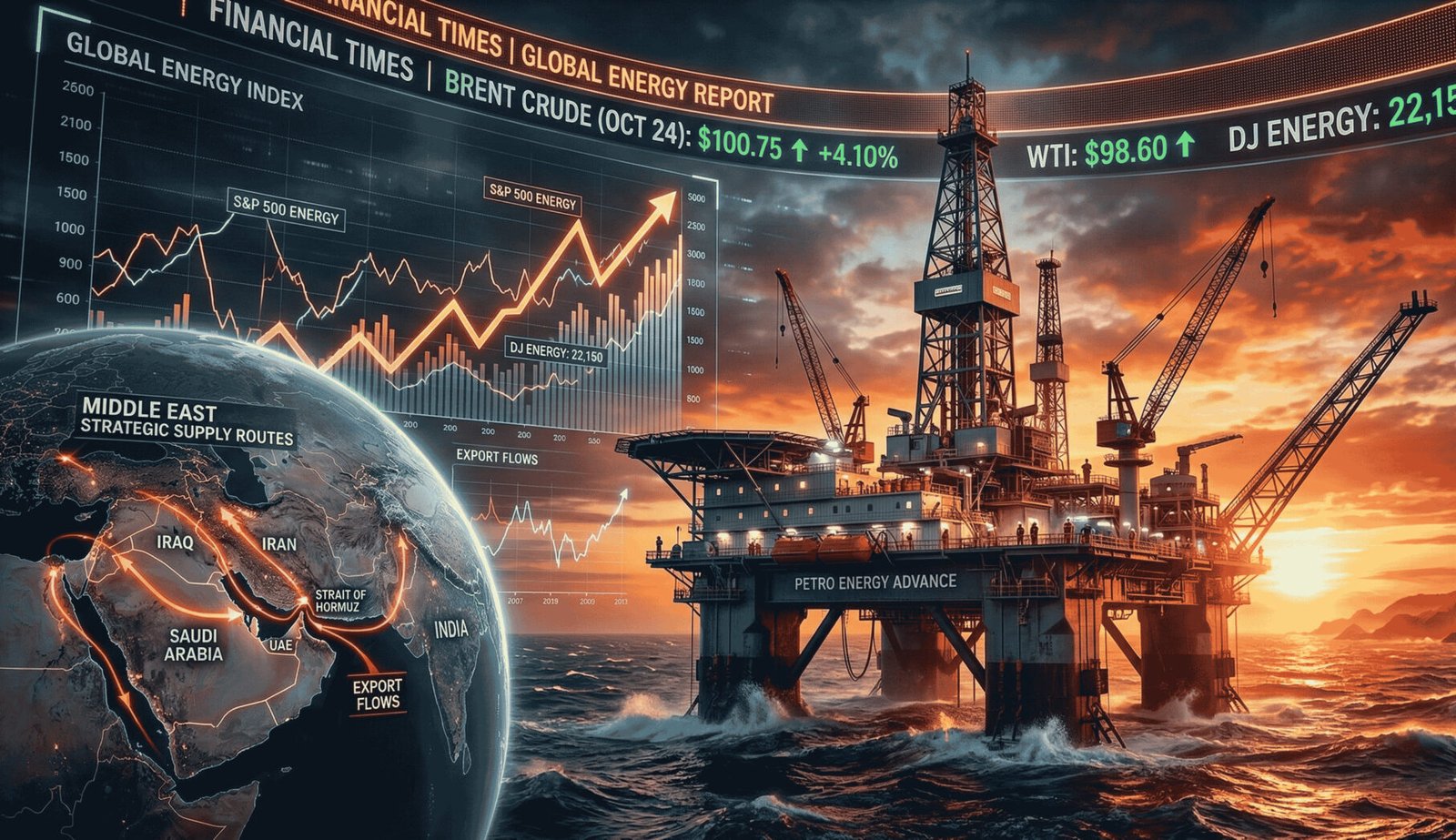
Petroleum prices are highly unstable. Wars, sanctions, supply disruptions, and cartel decisions can cause fuel prices to spike overnight. Countries that depend heavily on oil imports face trade deficits and energy insecurity. For developing nations, this dependency slows economic growth and increases inflation.
As a result, governments and industries are actively searching for alternatives that are cleaner, locally produced, and economically stable.

The Petroleum-Free Gasoline Breakthrough Explained
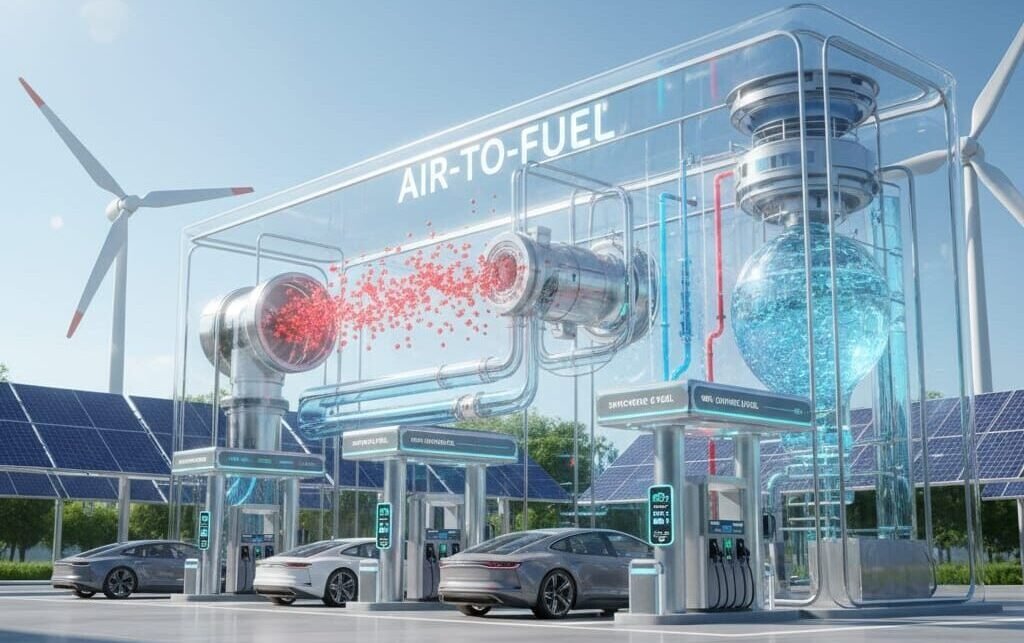
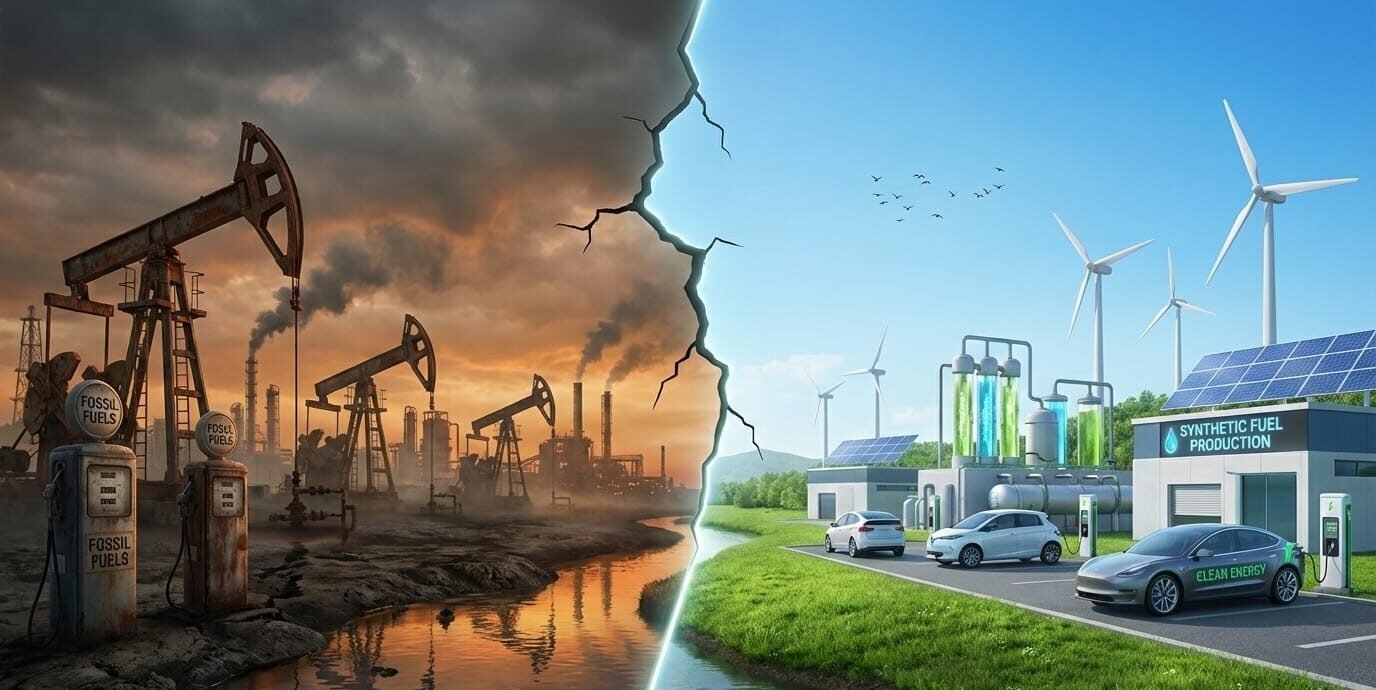
One of the most promising solutions comes from a new class of technology often described as “air-to-fuel” or “synthetic gasoline.” Instead of refining crude oil, this process creates fuel by recycling carbon already present in the atmosphere.
How This Technology Changes the Game
The key innovation lies in carbon capture. Instead of viewing CO₂ as waste, this technology treats it as a raw material. Carbon dioxide is captured directly from the air and combined with hydrogen extracted from water. Using chemical reactions and catalysts, these elements are transformed into liquid fuel.
The result is synthetic gasoline that behaves almost exactly like traditional petrol. It can be stored, transported, and used in existing internal combustion engines without modification.
This is crucial because it means billions of vehicles worldwide could potentially run on cleaner fuel without being replaced.
Expert Perspective
Energy researchers have described synthetic fuels as a “drop-in solution” — meaning they fit seamlessly into current infrastructure. While battery electric vehicles are ideal for many uses, experts agree that liquid fuels will remain essential for aviation, shipping, and heavy transport for decades.
Synthetic gasoline provides a way to decarbonize these sectors without waiting for entirely new systems to be built.
How Gasoline Is Made From Air, Water, and Electricity
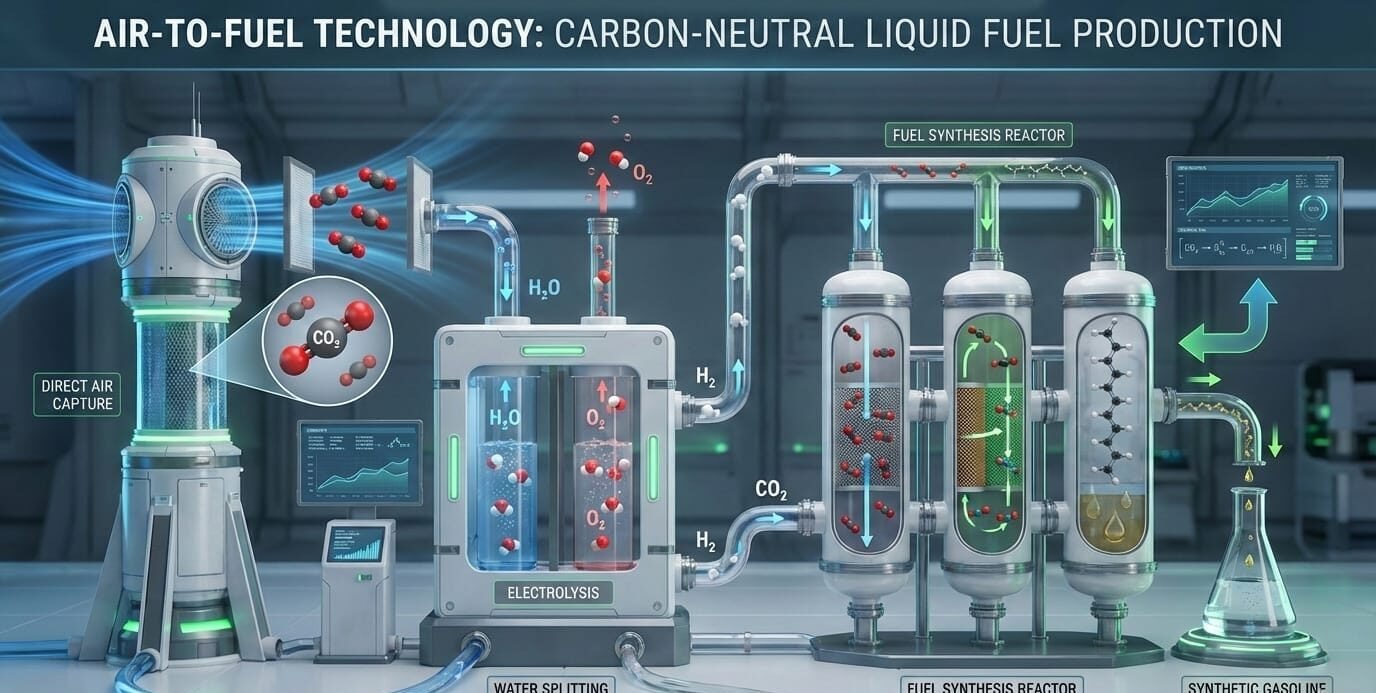
The process behind petroleum-free gasoline may sound complex, but it follows three logical steps.
Step 1: Capturing Carbon Dioxide
Specialized systems pull carbon dioxide directly from ambient air using chemical solutions that bind with CO₂. This process works anywhere, not just near factories or power plants. That means fuel could theoretically be produced locally, even in remote regions.
Step 2: Producing Green Hydrogen
Water is split into hydrogen and oxygen using electricity through electrolysis. When renewable electricity such as solar or wind power is used, this hydrogen is considered “green,” meaning it produces no emissions.
Hydrogen is a powerful energy carrier and plays a central role in many clean energy strategies.
Step 3: Synthesizing Liquid Fuel
The captured carbon and hydrogen are chemically combined to produce methanol, which is then converted into gasoline-range hydrocarbons using catalysts. This final product closely matches conventional petrol in energy density and performance.
Case Study: Small-Scale Fuel Production
Early prototype systems are capable of producing around one gallon of fuel per day. While this may seem modest, experts note that early solar panels and batteries faced similar limitations. With mass production and efficiency improvements, output could increase dramatically.
Why This Technology Matters for the Global Energy Transition
The transition away from fossil fuels will not happen overnight. Synthetic gasoline offers a realistic pathway that complements electric vehicles rather than competing with them.
A Bridge Solution, Not a Rival
Electric cars are ideal for cities and daily commuting, but long-distance transport, aviation, and shipping still need high-energy-density fuels. Petroleum-free gasoline can fill this gap while reducing emissions.
Energy Independence
By producing fuel locally using air and renewable energy, countries can reduce dependence on oil imports. This improves national security and stabilizes energy prices.
Environmental Impact
If powered by renewable electricity, the entire process can be close to carbon-neutral. The carbon released when the fuel is burned is roughly equal to the carbon captured from the air during production.
Future Outlook: What Comes Next?
Experts believe that synthetic fuels will become more competitive as renewable energy becomes cheaper. Continued research is improving catalysts, reducing energy requirements, and increasing production efficiency.
Over the next decade, we may see:
- Community-scale fuel production units
- Synthetic fuels blended with conventional petrol
- Wider adoption in aviation and shipping
As carbon pricing and emission regulations tighten, demand for low-carbon fuels is expected to rise sharply.
Market Impact: Disrupting the Global Fuel Industry
The global fuel market is worth trillions of dollars. Synthetic gasoline could disrupt traditional oil refining, fuel distribution, and energy geopolitics.
Oil companies are already investing in synthetic fuels to future-proof their businesses. Startups and research institutions are attracting significant funding, signaling strong market confidence.
For consumers, increased competition could mean more stable prices and cleaner fuel options.
India-Specific Angle: Why This Matters for India
India is one of the world’s largest oil importers, spending billions of dollars annually on crude oil. This dependency affects inflation, trade balance, and energy security.
Benefits for India
- Reduced oil imports and foreign exchange savings
- Improved air quality in major cities
- Job creation in clean energy and advanced manufacturing
- Support for India’s net-zero targets
With abundant sunlight and a growing renewable energy sector, India is well-positioned to adopt synthetic fuel technologies.
Frequently Asked Questions (FAQs)
Is synthetic gasoline better than electric vehicles?
It is not a replacement but a complement. EVs are ideal for many uses, while synthetic fuels serve sectors that are difficult to electrify.
Is this fuel safe for existing engines?
Yes. Synthetic gasoline is designed to work in standard internal combustion engines without modification.
Will it be affordable?
Costs are currently high but expected to fall as technology scales, similar to solar panels and batteries.
Is it truly environmentally friendly?
When produced using renewable energy, it can be close to carbon-neutral.
Conclusion: A Cleaner Fuel Without Compromise
The idea of making gasoline from air and water represents a powerful shift in how we think about energy. Instead of extracting carbon from the ground, we recycle it from the atmosphere. Instead of relying on distant oil fields, we harness local renewable power.
Petroleum-free gasoline will not solve all energy challenges on its own, but it offers a realistic, scalable, and inclusive solution for a world transitioning away from fossil fuels.
As technology advances and adoption grows, the phrase “say goodbye to fossil fuels” may no longer sound idealistic — it may simply describe reality.