In 2025, U.S. foreign policy stands at a defining crossroads. The world feels more unstable, global conflicts appear increasingly interconnected, and American voters are asking tougher, more personal questions about the country’s role beyond its borders.
Why US Foreign Policy Feels Different in 2025
After decades marked by military interventions, trade wars, pandemics, and economic shocks, Washington is confronting a reality it can no longer avoid: global leadership today requires restraint, strategy, and credibility—not just strength.
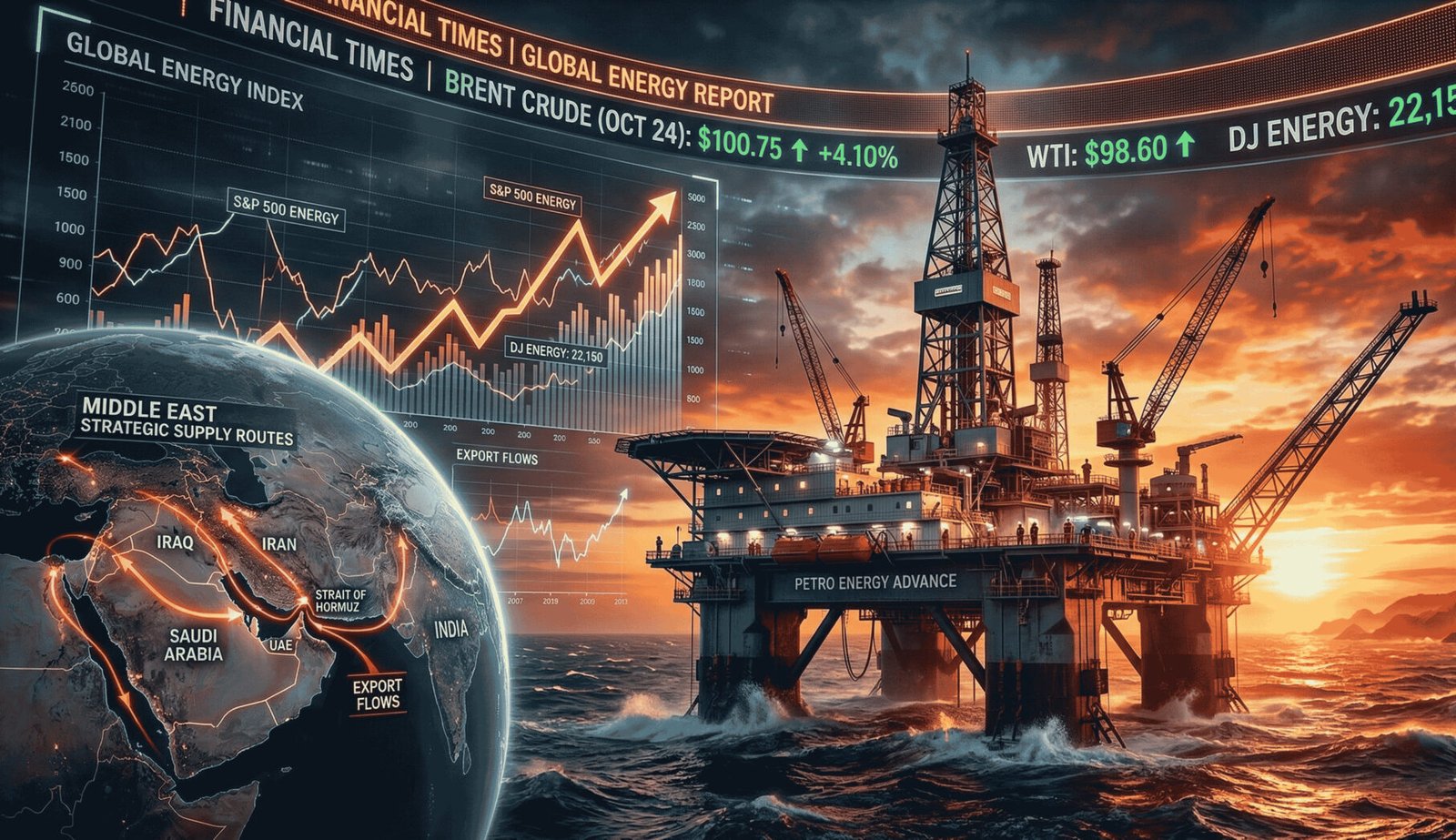
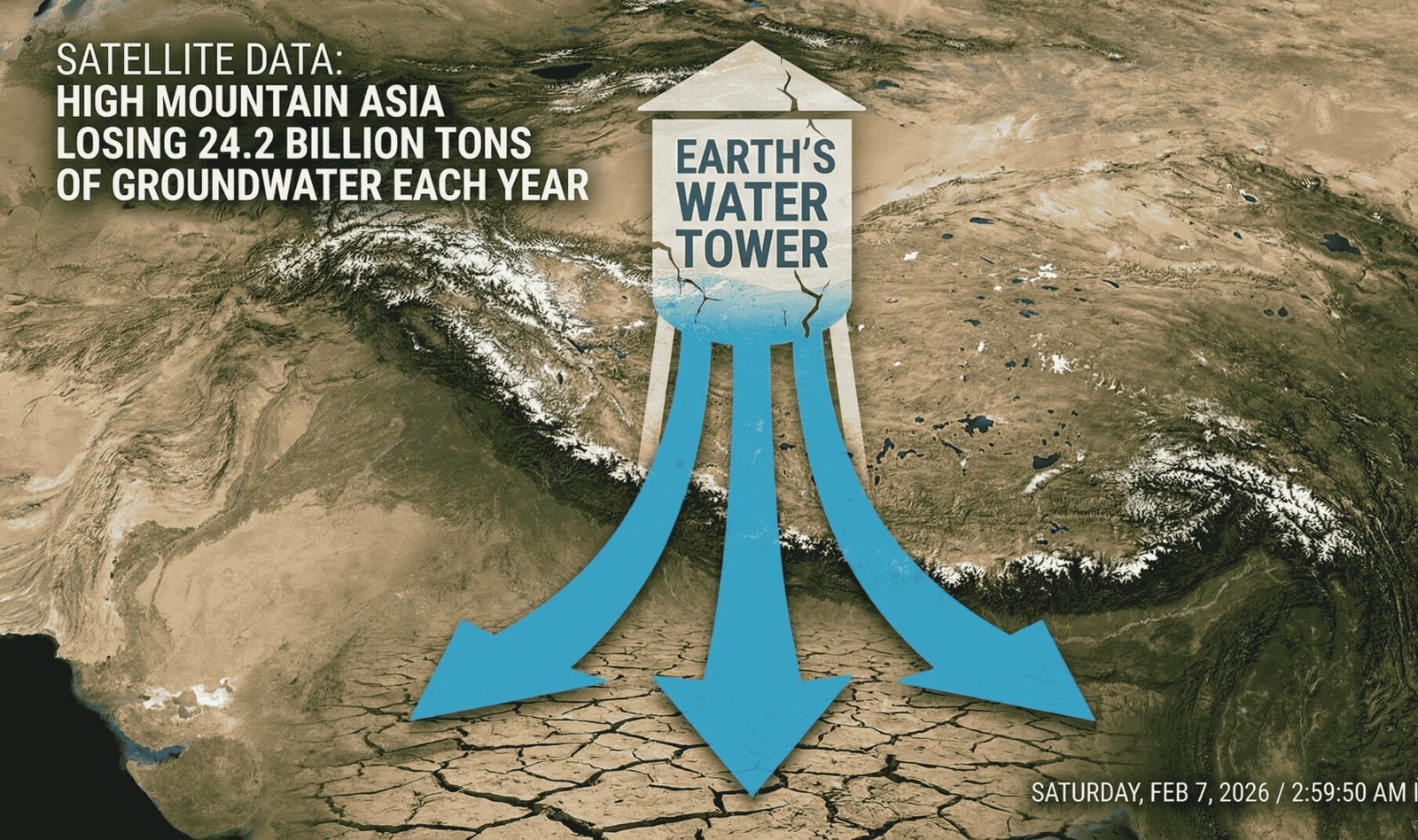
For many Americans, foreign policy was once something distant, discussed in press briefings or international summits. Today, it feels closer to home. Decisions made thousands of miles away now affect fuel prices, grocery bills, job security, cybersecurity, immigration, and national safety.
Foreign policy is no longer an abstract concept.
It is part of everyday life.
Table of Contents
From Intervention to Influence: A Strategic Shift in American Power
For decades, the United States followed a familiar foreign policy playbook—military presence, direct intervention, and global enforcement. This approach defined the post–Cold War era and shaped America’s image as the world’s dominant power.
But the cost of that approach has changed public expectations.
The Rising Cost of Global Policing
Long wars, rising defense budgets, and political divisions at home have forced policymakers to rethink priorities. Americans increasingly want to know:
- What is the goal?
- How long will it take?
- Who pays the price?
These questions have reshaped Washington’s thinking.
A New Doctrine Is Taking Shape
Rather than acting alone, the U.S. is now emphasizing:
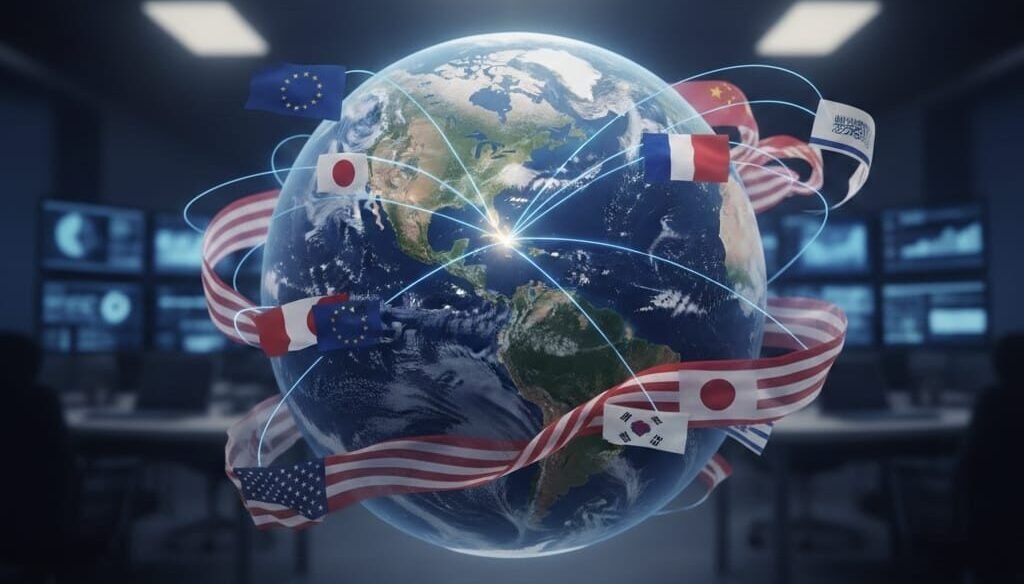
- Shared responsibility with allies
- Economic and diplomatic tools over military force
- Targeted engagement instead of open-ended commitments
This shift does not mean the U.S. is retreating from the world. Instead, it signals a move toward influence over intervention—shaping outcomes through partnerships rather than dominance.
Foreign policy officials now talk more about sustainability: not just winning conflicts, but preventing them altogether.
Ukraine and NATO: Defending Stability Without Escalation
The war in Ukraine remains one of the most influential forces shaping U.S. foreign policy in 2025.
Why Ukraine Matters to the United States
Support for Ukraine is not only about defending one nation. It represents broader strategic goals:
- Preserving European security
- Deterring future territorial aggression
- Reinforcing NATO’s credibility
- Upholding international norms
For Washington, the conflict is a test of whether alliances still matter in a rapidly changing world.
Domestic Pressure at Home
At the same time, American leaders face growing pressure to:
- Control spending
- Avoid escalation with nuclear powers
- Focus on domestic priorities
Public support remains, but it is no longer unconditional.
A Long-Term Security Model
Rather than unlimited military aid, U.S. policymakers are exploring:
- Long-term defense partnerships
- Intelligence and training support
- Increased burden-sharing with European allies
The objective is stability, not endless war.
For U.S. taxpayers, this approach seeks to balance global responsibility with economic reality at home.
The Middle East: Diplomacy in a Region of Constant Tension
U.S. foreign policy in the Middle East has always been complex, but recent developments have intensified the challenge.
Balancing Security and Humanitarian Concerns
Washington continues to support Israel’s right to security while also urging:
- Protection of civilians
- Humanitarian access
- Regional de-escalation
The United States is walking a diplomatic tightrope—seeking influence without igniting a broader regional conflict.
Preventing a Wider War
Behind the scenes, American diplomats are working to prevent:
- Conflict spillover into neighboring countries
- Disruption of global energy markets
- Direct U.S. military involvement
The guiding principle is clear: containment, not confrontation.
This approach reflects lessons learned from decades of costly regional wars.
China and the Indo-Pacific: Competition Without Conflict
No relationship defines America’s long-term future more than its relationship with China.
A Strategy of Managed Competition
Rather than open hostility, the U.S. is pursuing what analysts describe as competitive coexistence:
- Limiting sensitive technology exports
- Strengthening alliances with Japan, South Korea, Australia, and India
- Maintaining diplomatic dialogue to reduce miscalculation
The aim is not to isolate China, but to protect U.S. interests while avoiding a global crisis.
Why This Matters to Everyday Americans
U.S.–China policy directly impacts:
- Consumer prices
- Manufacturing and supply chains
- Job security
- Technology innovation
This is not abstract geopolitics—it is economic reality for millions of American families.
Trade, Tariffs, and Economic Foreign Policy
Foreign policy today is no longer separate from economic policy. In fact, money has become one of Washington’s most powerful diplomatic tools.
Economic Diplomacy Takes Center Stage
The U.S. increasingly relies on:
- Trade agreements
- Strategic tariffs
- Technology controls
- Investment restrictions
Supporters argue these measures protect American workers and industries. Critics warn they may raise costs for consumers and fuel global tensions.
Still, one thing is clear: economic leverage now matters as much as military strength.
Foreign Policy Meets Domestic Politics
Perhaps the most significant change in recent years is how foreign policy has moved into the center of domestic debate.
Americans are asking:
- How does this help people at home?
- Why are we funding conflicts abroad?
- What is the return on global leadership?
Voters Want Transparency and Accountability
Politicians can no longer rely on vague explanations. Foreign policy decisions must now justify:
- Cost
- Purpose
- Clear end goals
This shift is forcing Washington to communicate more openly and clearly than ever before.
America’s Global Image: Trusted Ally or Unpredictable Power?
Across the world, perceptions of the United States are mixed.
How Allies See the US
Some partners continue to view America as:
- A stabilizing force
- A reliable security ally
- A leader in crisis response
Others express concern about:
- Policy reversals
- Domestic polarization
- Inconsistent commitments
Rebuilding trust has become a priority—not through speeches, but through consistent action over time.
Technology, Cybersecurity, and the New Battlefield
Foreign policy in 2025 is no longer just about land, sea, and air. It is increasingly about data, artificial intelligence, and digital infrastructure.
New Security Challenges
The U.S. is investing heavily in:
- Cyber defense
- AI governance
- Protection of critical infrastructure
Cyber threats do not wear uniforms or respect borders, making international cooperation essential.
Climate Change as a Core Foreign Policy Issue
Climate change is now shaping global politics in ways traditional diplomacy cannot ignore.
The U.S. is engaging other nations on:
- Clean energy transitions
- Climate financing
- Disaster preparedness
Why? Because climate instability fuels:
- Migration
- Resource conflicts
- Economic disruption
Addressing climate risks is increasingly viewed as preventive security policy.
What Comes Next for US Foreign Policy?
Looking ahead, experts expect U.S. foreign policy to focus on:
- Strategic restraint
- Alliance-building
- Economic influence
- Crisis prevention
The era of large-scale military interventions appears to be giving way to measured, selective leadership.
Final Analysis: A Redefined American Role in the World
The United States in 2025 is not retreating from the global stage—it is recalibrating.
Foreign policy is becoming:
- More selective
- More accountable
- More closely connected to domestic life
Whether this approach succeeds will depend on one critical factor: consistency.
America’s power still matters.
But how that power is used may matter even more.